

Sassetta: what to see in the hill village among the woods of the Val di Cornia
A castle, red marble and trails through chestnut and holm oak woods, a short drive from the sea
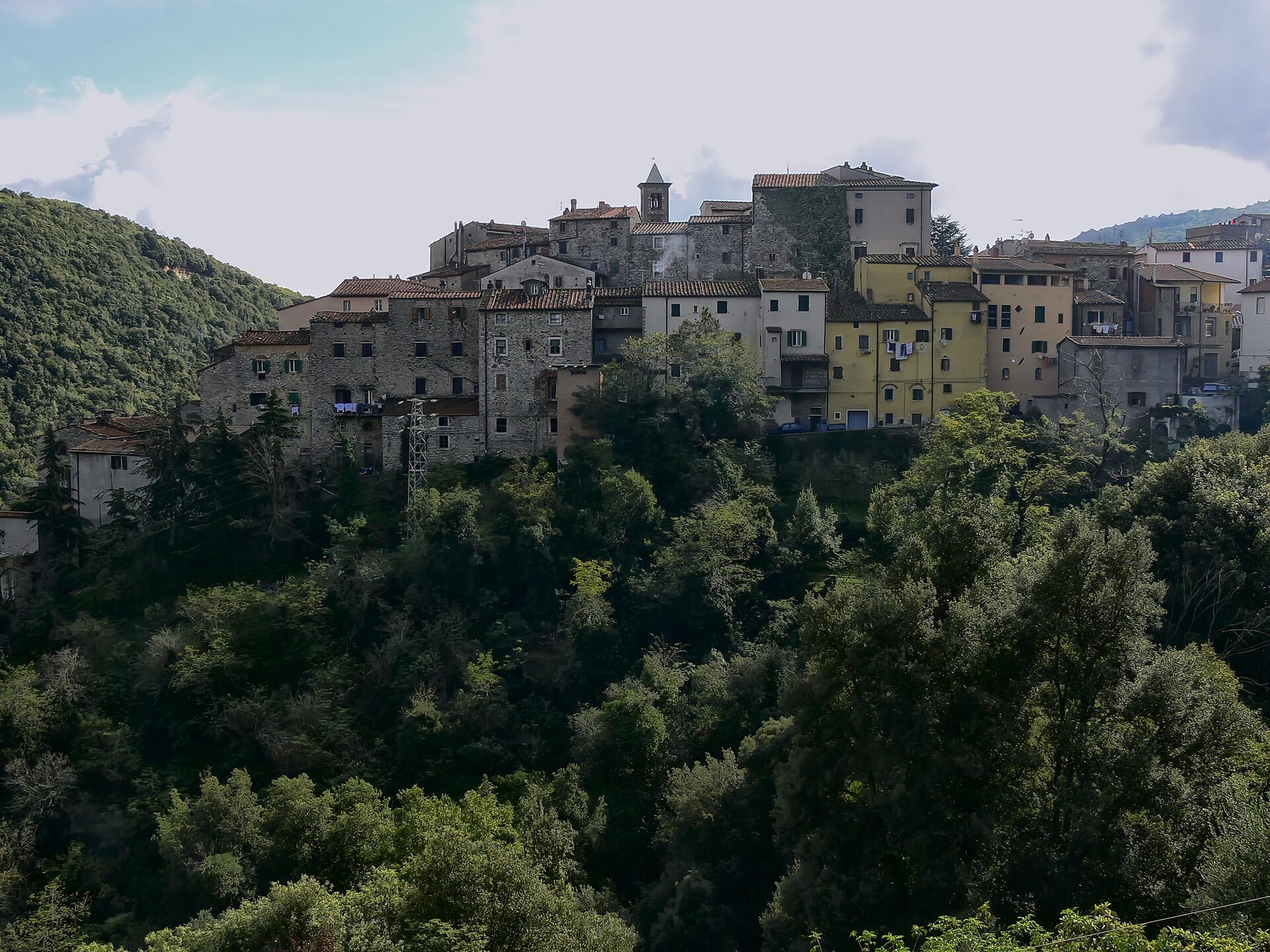
Sassetta is the smallest of the five municipalities of the Val di Cornia: a village of stone houses clinging to a rocky spur, surrounded by woods of chestnut and holm oak. From its streets you look down over the hills to the coast, yet the pace of life here is that of the mountains, set by the woods, the chestnut harvest and wild boar.
It is famous for its red marble, a stone that local stonemasons have worked for centuries, and for the Poggio Neri Forest Park (Parco forestale di Poggio Neri), with miles of shady trails. It makes an ideal day trip for anyone who wants to combine the beaches of the Etruscan Coast with a cool day inland.
Where is Sassetta
Sassetta lies in the province of Livorno, in the hills between Suvereto and Castagneto Carducci, about ten kilometres as the crow flies from the sea at San Vincenzo.
Approximate driving time: about half an hour from Campiglia Marittima and Venturina Terme, along scenic roads that climb through the woods.
Request a quoteWhat to see in Sassetta
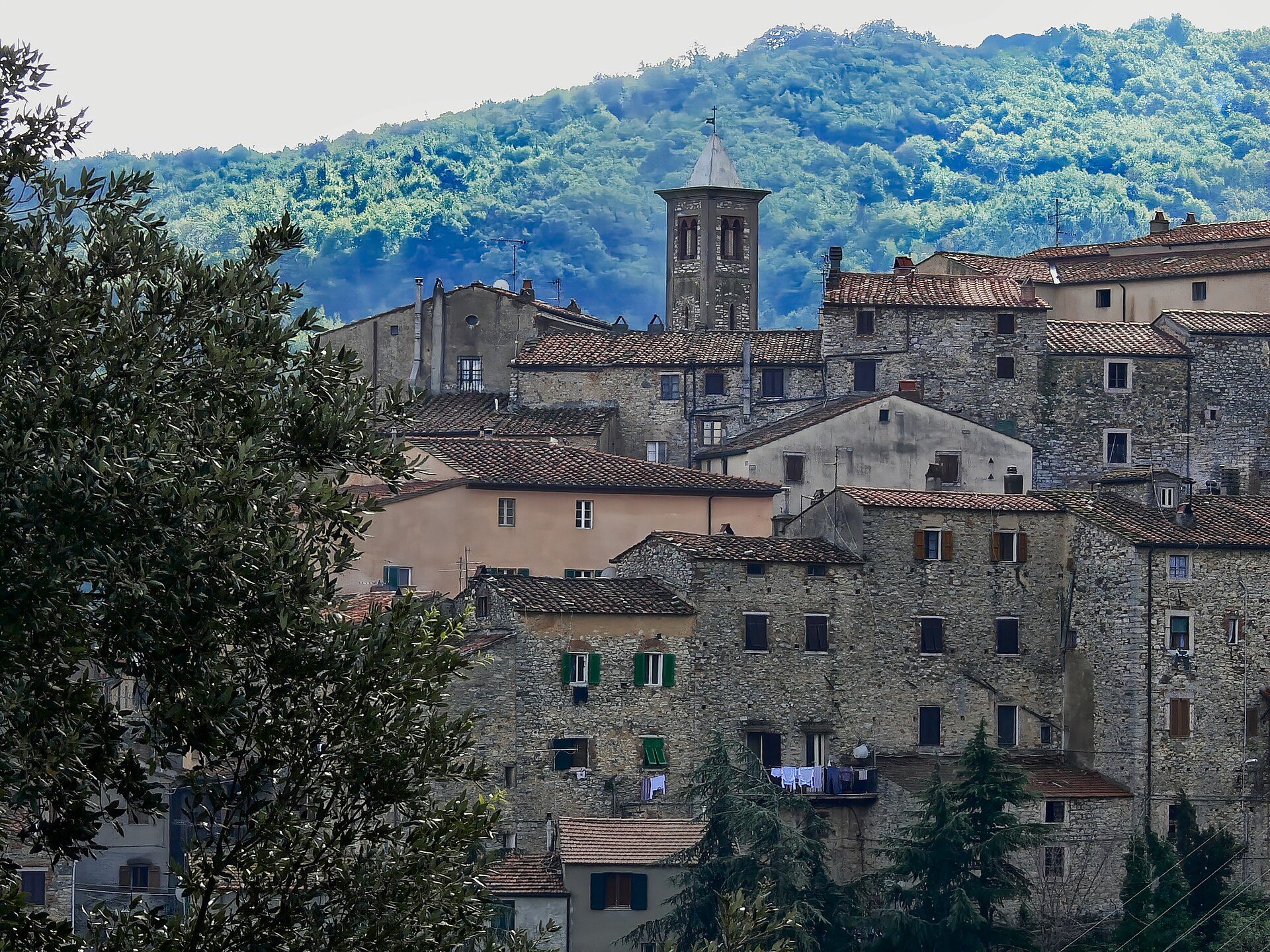
The village can be explored on foot in an hour or two, through alleys, little stairways and small squares. The main sights:
- The old town, with its stone houses built on the rock.
- Castello di Montalvo (Montalvo Castle), along the village’s old fortifications.
- The Church of Sant’Andrea Apostolo and its works of art.
- The Poggio Neri Forest Park, with the Woodland Museum and the Charcoal Trail.
- The red marble quarries, the stone that symbolises the village.
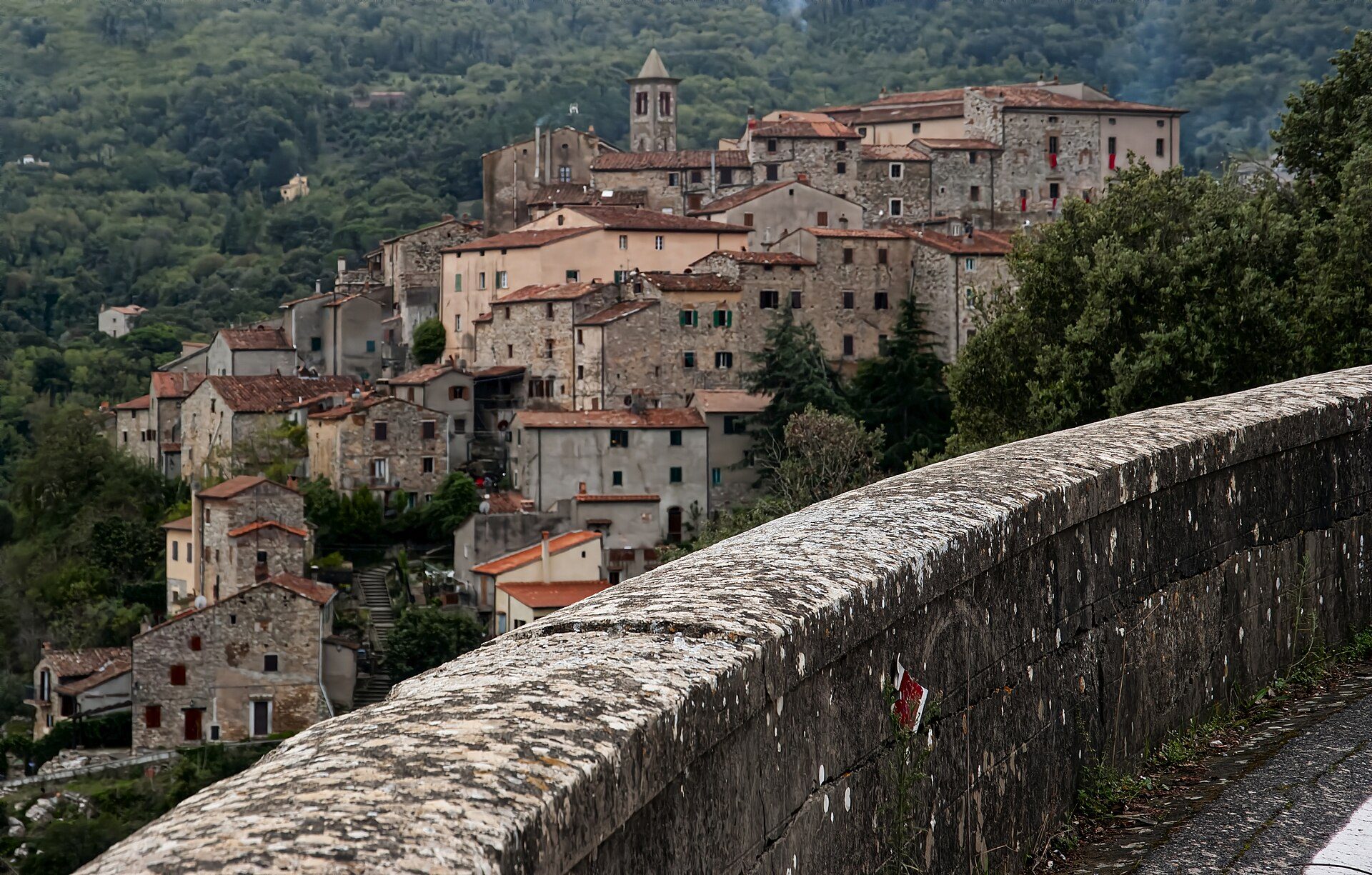
The village and Castello di Montalvo
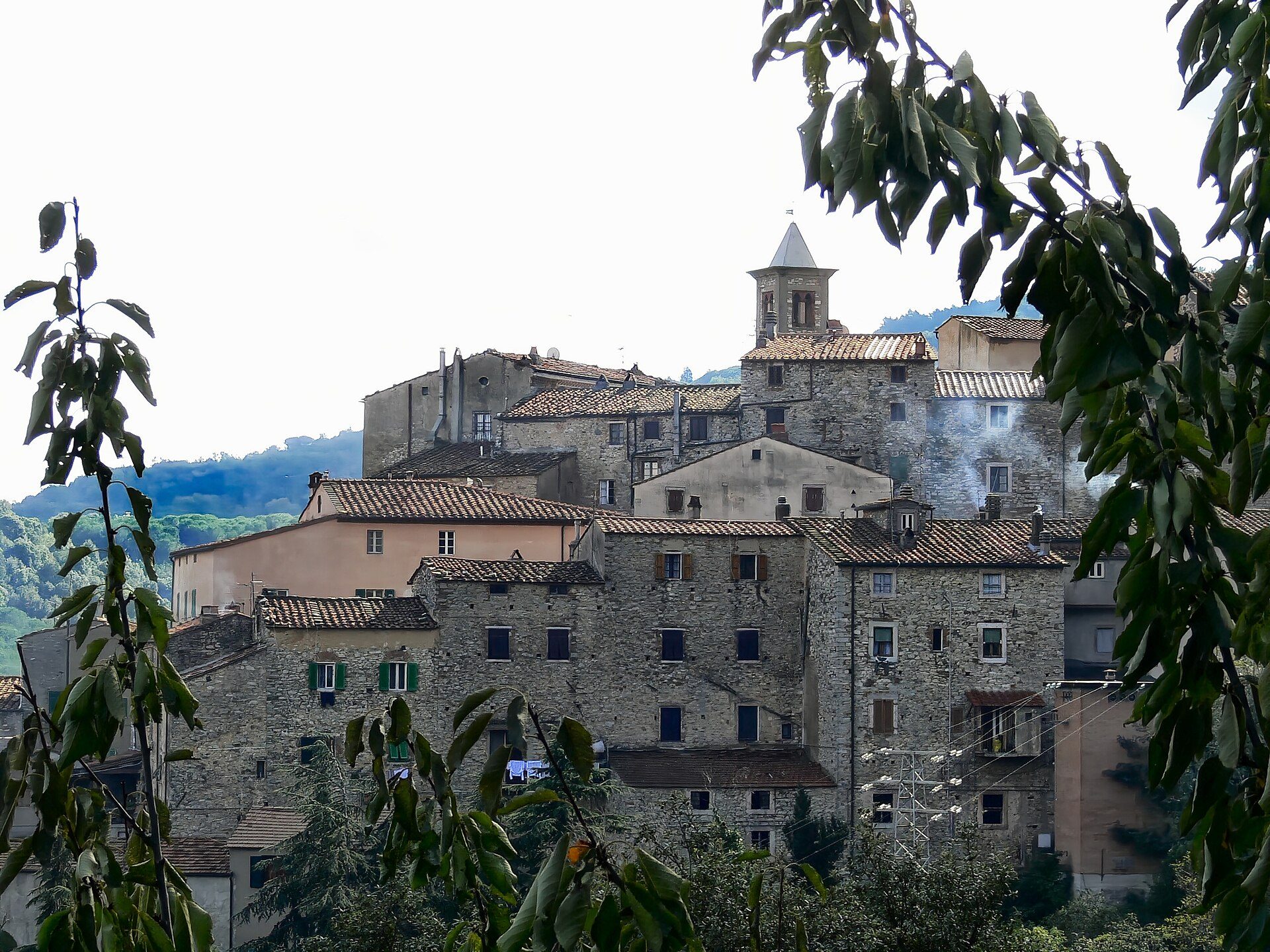
The old centre of Sassetta is a maze of stone lanes and passages that follows the shape of the rocky spur the village stands on. The houses seem to grow straight out of the rock, and every corner opens onto a view of the wooded valley.
Behind the church, along the fortifications of the old village, stands Castello di Montalvo. It dates from the 16th century, when the village was granted as a fief to the Ramirez de Montalvo family, Spanish nobles who came to the Medici court in the retinue of Eleonora of Toledo. The older history of the village is linked to the Orlandi family, whose coat of arms can still be seen in the church.
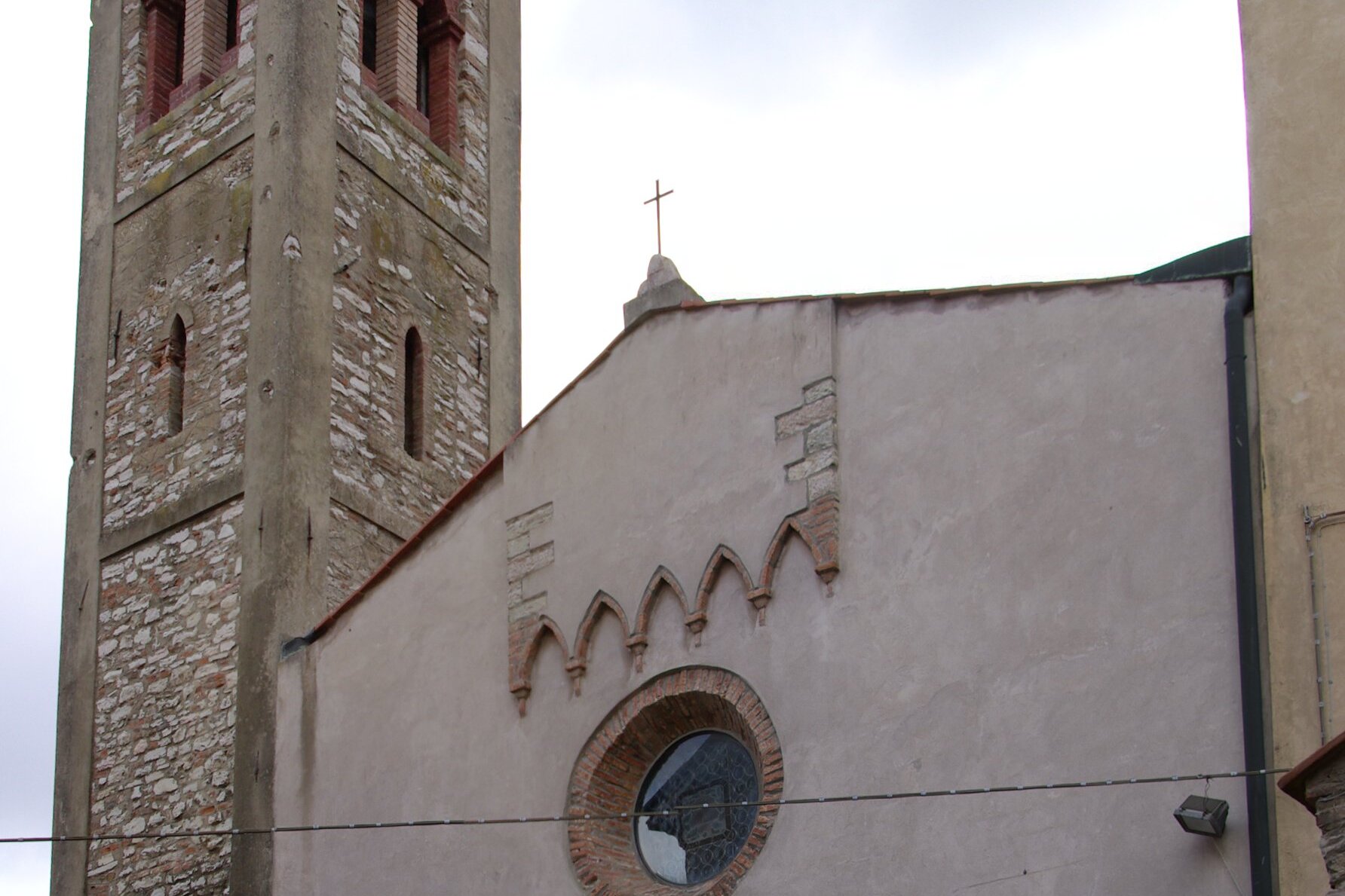
The Church of Sant’Andrea Apostolo
In the heart of the village, the Church of Sant’Andrea Apostolo (St Andrew the Apostle) holds a small artistic treasure:
- an early 16th-century panel painting of the Madonna and Child with Saints Jerome and Anthony Abbot;
- several 17th-century paintings;
- a 15th-century bowl-shaped baptismal font bearing the Orlandi coat of arms;
- a Renaissance rock-crystal reliquary cross.
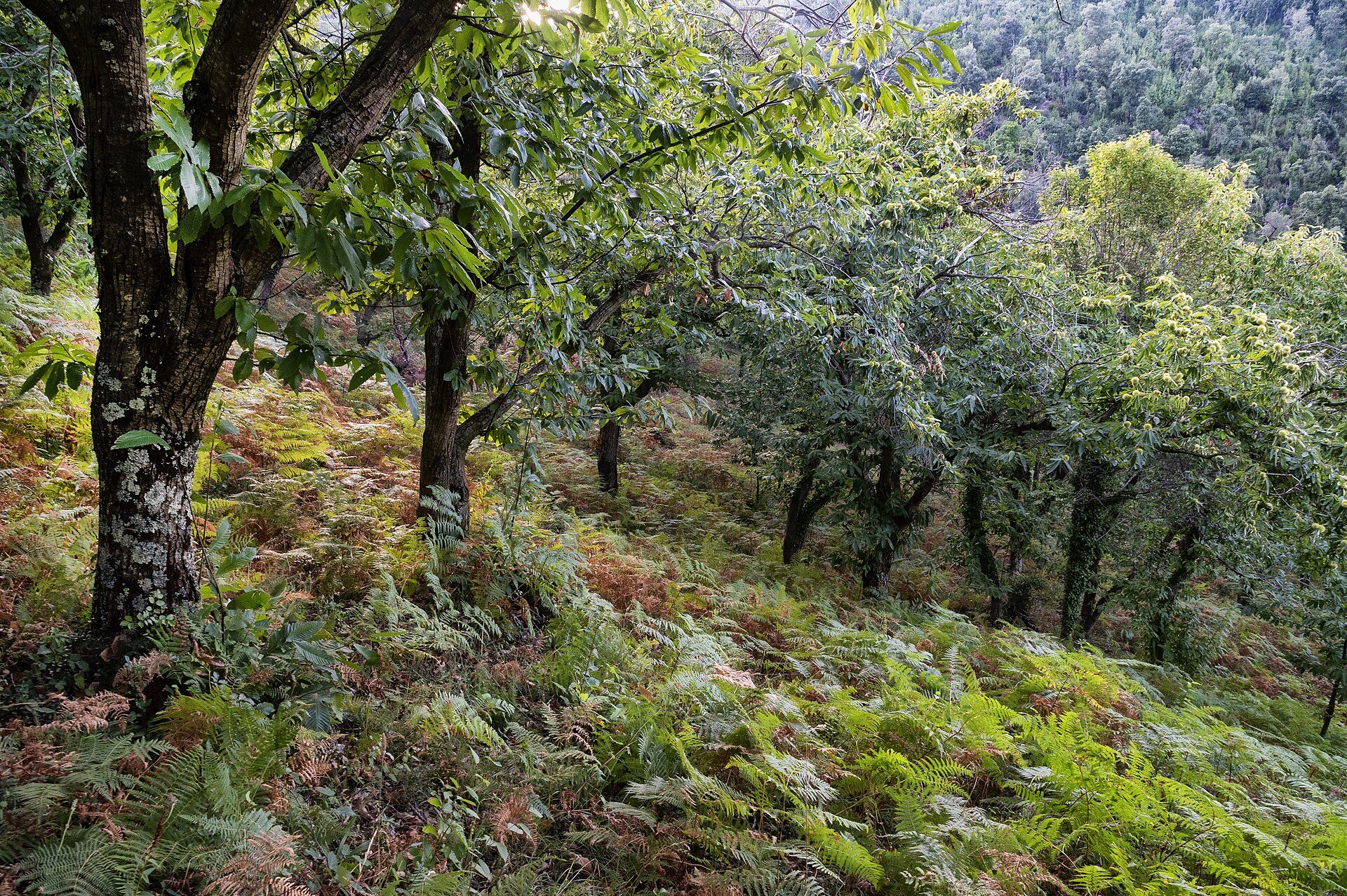
The Poggio Neri Forest Park
A few kilometres from the village lies the Poggio Neri Forest Park, one of the Val di Cornia Parks: around 735 hectares of holm oak and chestnut woods crossed by some 37 kilometres of trails, for walking, mountain biking or horse riding.
- The Botanical Trail: a loop of almost 2 km around Monte Bufalaio, with panels about the forest and its wildlife. A stretch of about 500 metres, protected by a fence and with a viewpoint, is accessible to people with reduced mobility.
- The Woodland Museum (Museo del Bosco): the daily life and work of the chestnut gatherers.
- The Charcoal Trail (Via del Carbone): a route dedicated to the old craft of the charcoal burners.
- Picnic areas in the woods.
In autumn the park is a classic destination for gathering chestnuts and mushrooms, following local rules.
Red marble and the flavours of Sassetta
Sassetta red marble
Sassetta is known for its red marble, a warm-coloured stone that stonemasons and sculptors have quarried and carved for centuries. In the Poggio Neri park you can see one of the disused quarries where it was extracted.
Chestnuts, wild boar and hot springs
Village life has always revolved around the woods, and so does the cooking: dishes based on wild boar, chestnuts and produce from the hills. Hot springs also rise nearby, with water reaching almost 50°C.
Events in Sassetta
- Festa del Cacciatore (Hunters’ Festival): in August, a celebration of the flavours of the woods, with wild boar and chestnuts in the spotlight.
- Feste d’Ottobre (October Festivals): on autumn Sundays the village comes alive with food festivals dedicated to soup, chestnuts and polenta, and the traditional Palio dei Ciuchi donkey race.
Dates and programmes change every year, so check before you go.
When to visit Sassetta
Autumn is Sassetta’s season: chestnuts, mushrooms, the colours of the woods and the October Festivals. In summer the village and the Poggio Neri park offer cool woodland just a few kilometres from the beaches; in spring the trails are perfect for hiking and mountain biking.
How to get there and where to park
Sassetta is reached by car on the roads that climb from Suvereto or from the Castagneto Carducci and San Vincenzo area, with bends and views over the woods. The old town is explored on foot: park just outside the village.
A perfect stop on your holiday
Sassetta pairs well with the other hill villages: Suvereto, with its Rocca (castle) and wineries, and Castagneto Carducci, from where you can drive down to Bolgheri and its Cypress Avenue.
A morning on the Poggio Neri trails and an afternoon at the beach in San Vincenzo or at Rimigliano Beach: one of the best ways to enjoy the Val di Cornia, between woods and coast.
Plan your stay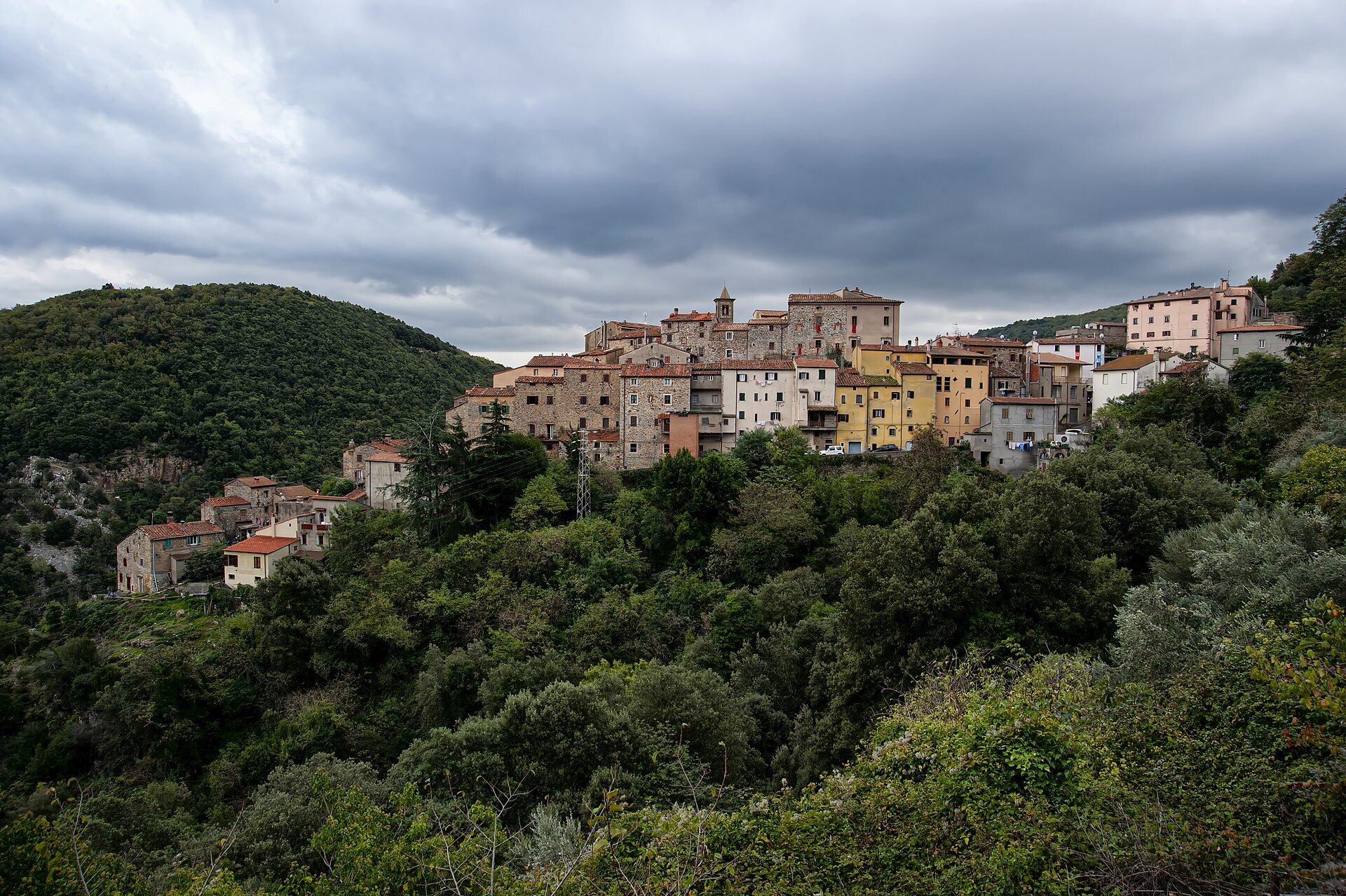
Plan your experience with Ama Campiglia Marittima
Through the Ama Campiglia Marittima portal you can find where to stay, where to eat and which experiences to enjoy between the sea, historic villages and nature in the Val di Cornia, half an hour from Sassetta.
Get a quoteFrequently asked questions about Sassetta
Where is Sassetta?
In Tuscany, in the province of Livorno, in the hills of the Val di Cornia between Suvereto and Castagneto Carducci, about ten kilometres from the sea.
What is there to see in Sassetta?
The old town built on the rock, Castello di Montalvo, the Church of Sant’Andrea Apostolo and, a few kilometres away, the Poggio Neri Forest Park with its Woodland Museum.
What is Sassetta famous for?
For its red marble, worked for centuries by local stonemasons, for its chestnut woods and for cooking based on wild boar and chestnuts.
What is the Poggio Neri park?
A forest park of about 735 hectares with 37 km of trails for hiking, mountain biking and horse riding, the Woodland Museum, the Charcoal Trail and a partly accessible botanical trail.
When are the October Festivals held?
On Sundays in October, with food festivals dedicated to soup, chestnuts and polenta and the Palio dei Ciuchi donkey race.
How long does it take to visit Sassetta?
An hour or two for the village; half a day if you add the Poggio Neri park.
How far is Sassetta from the sea?
About ten kilometres as the crow flies: the beaches of San Vincenzo and the coast are a little over half an hour away by car.
Photo credits (via Wikimedia Commons): Roberto Baroni (Costaetrusca): The village of Sassetta among the woods, Stone houses and bell tower, Sassetta on its rocky spur, View of Sassetta, The village from the panoramic road, Old town with the bell tower, Chestnut and holm oak woods (CC BY-SA 4.0); Janericloebe: Church of Sant’Andrea Apostolo (public domain).


