

Bolgheri: what to see and do among the village, cypresses and wine
The village of the Cypress Avenue, of Carducci and of Tuscany’s great wines
Bolgheri is one of the most famous names in Tuscany: a tiny walled village on a hilltop, reached along the Viale dei Cipressi (Cypress Avenue) made famous by Giosuè Carducci, and surrounded by some of the most prestigious vineyards in the world, those of the Bolgheri DOC and Sassicaia.
It can be visited in a few hours, but it stays in the memory: the straight road between the cypresses, the castle gate, the little squares linked to the poet’s childhood, the lanes with wine bars and shops, the rows of vines running down to the sea.
Where is Bolgheri
Bolgheri is not a municipality but a village within Castagneto Carducci, in the province of Livorno, on the Etruscan Coast. It stands about 100 metres above sea level at the foot of the hills, a few kilometres from the sea and the old Via Aurelia.
Approximate driving time: about half an hour from Campiglia Marittima and Venturina Terme, 20 minutes from San Vincenzo, a quarter of an hour from Castagneto Carducci.
Request a quoteWhat to see in Bolgheri: the highlights
- The Cypress Avenue, about 5 kilometres lined with more than two thousand cypresses.
- The Oratory of San Guido, the small octagonal church at the start of the avenue.
- The village and Bolgheri Castle, with its gateway and the lanes of the centre.
- Carducci’s places: his childhood home in Piazza Alberto, the statue of Nonna Lucia and the old cemetery.
- The churches of Santi Giacomo e Cristoforo and Sant’Antonio.
- The Padule di Bolgheri, Italy’s first private nature reserve.
- The Bolgheri DOC wineries, for a tasting among the vines.
Two or three hours are enough for the village and the avenue; with a winery and lunch you easily fill half a day, and with Castagneto Carducci or the Padule a whole day.
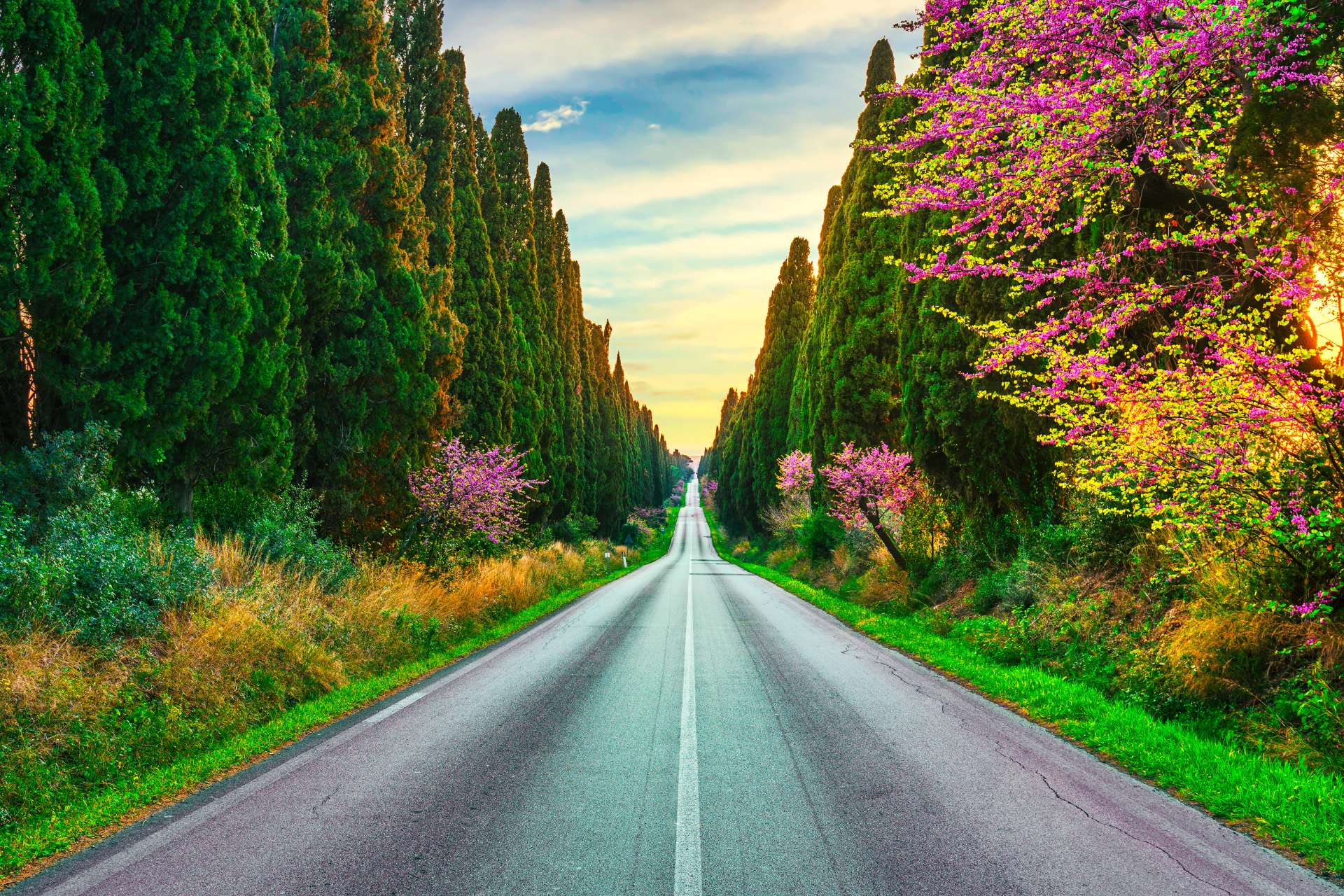
The Bolgheri Cypress Avenue
The Viale dei Cipressi is a straight road about 5 kilometres long that starts from the old Aurelia, at the Oratory of San Guido, and climbs to the village. It is lined with more than two thousand cypresses, forming one of the most photographed sights in Italy.
It was immortalised by Giosuè Carducci in his 1874 poem Davanti San Guido, in which the poet imagines talking to the “tall and straight cypresses of Bolgheri” that greet him as his train passes.
Along the avenue you also pass the small church of Sant’Antonio, built in the second half of the 17th century for the Della Gherardesca family, with the family coat of arms on its façade.
Tip: the avenue is open to traffic. Stop for photos only where it is safe, or ride it by bike, early in the morning or at sunset, when the light between the cypresses is at its best.
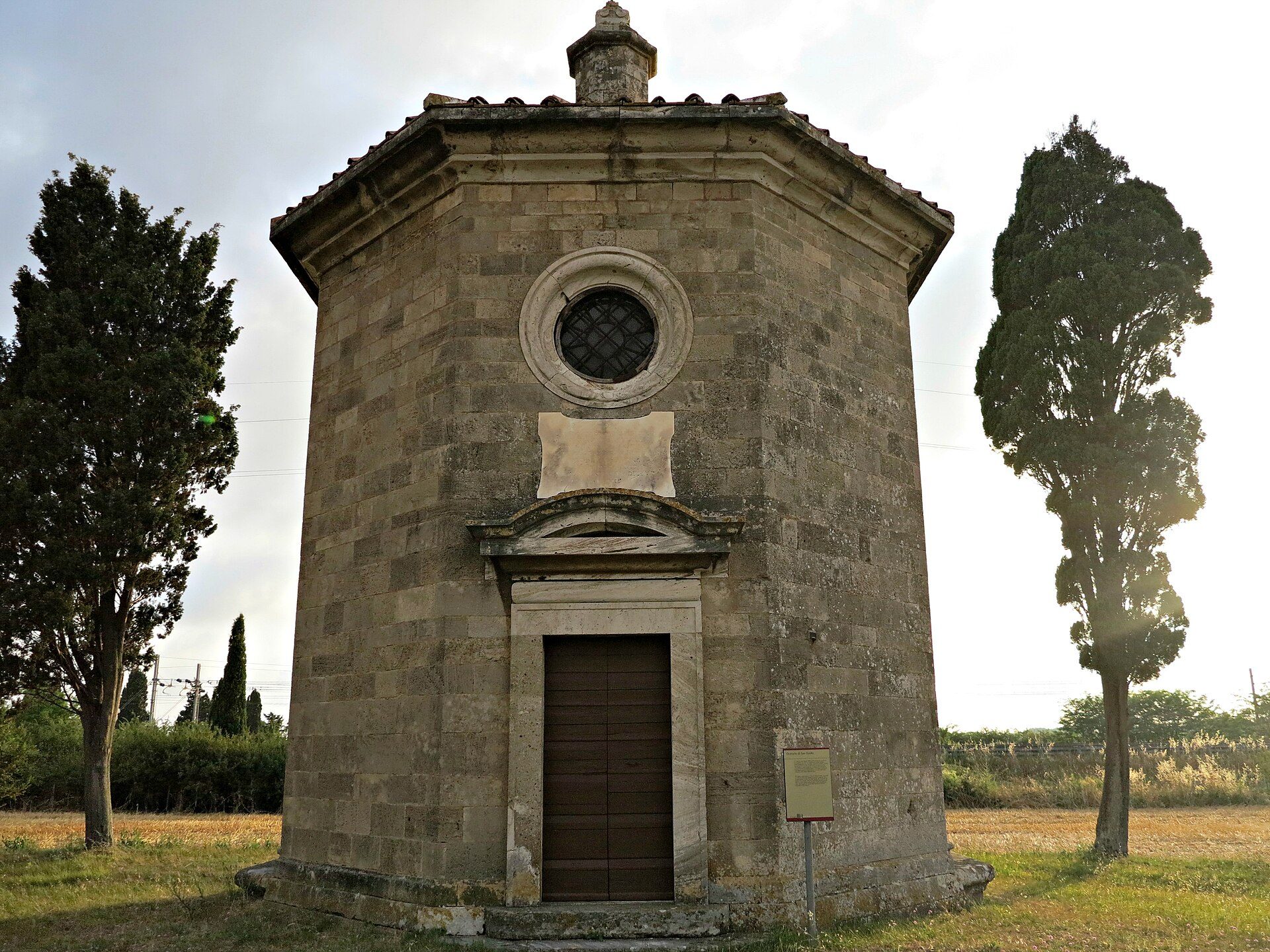
The Oratory of San Guido
At the start of the avenue, on the old Aurelia, stands the small Oratory of San Guido: an octagonal chapel built in the early 18th century by the Della Gherardesca family in memory of the hermit Guido. It is the “San Guido” of Carducci’s poem, and the ideal starting point to discover the avenue.
Nearby is the Tenuta San Guido, where from the 1940s Marchese Mario Incisa della Rocchetta planted the first Sassicaia vines, launching Bolgheri’s fame as a wine region.
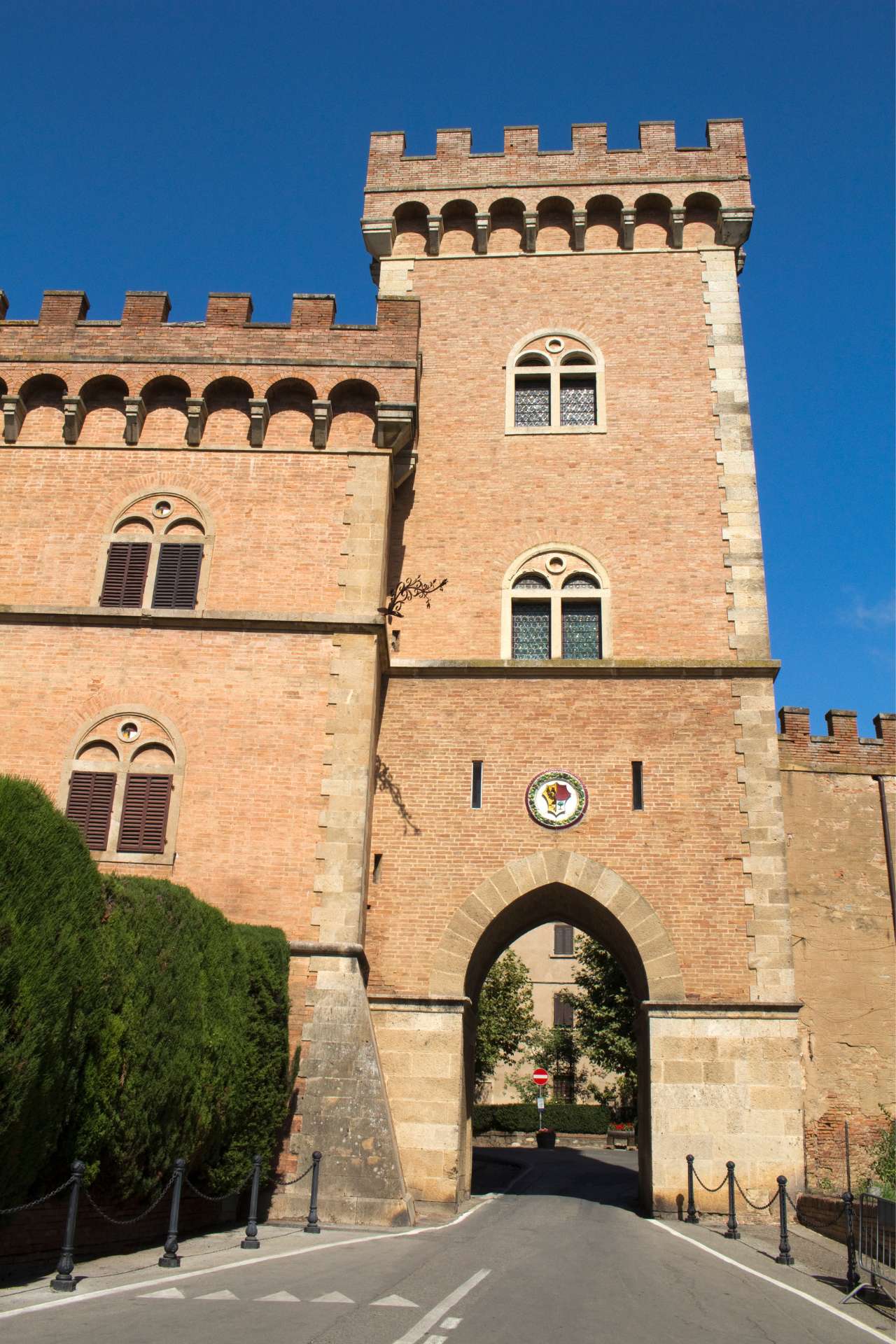
The village and Bolgheri Castle
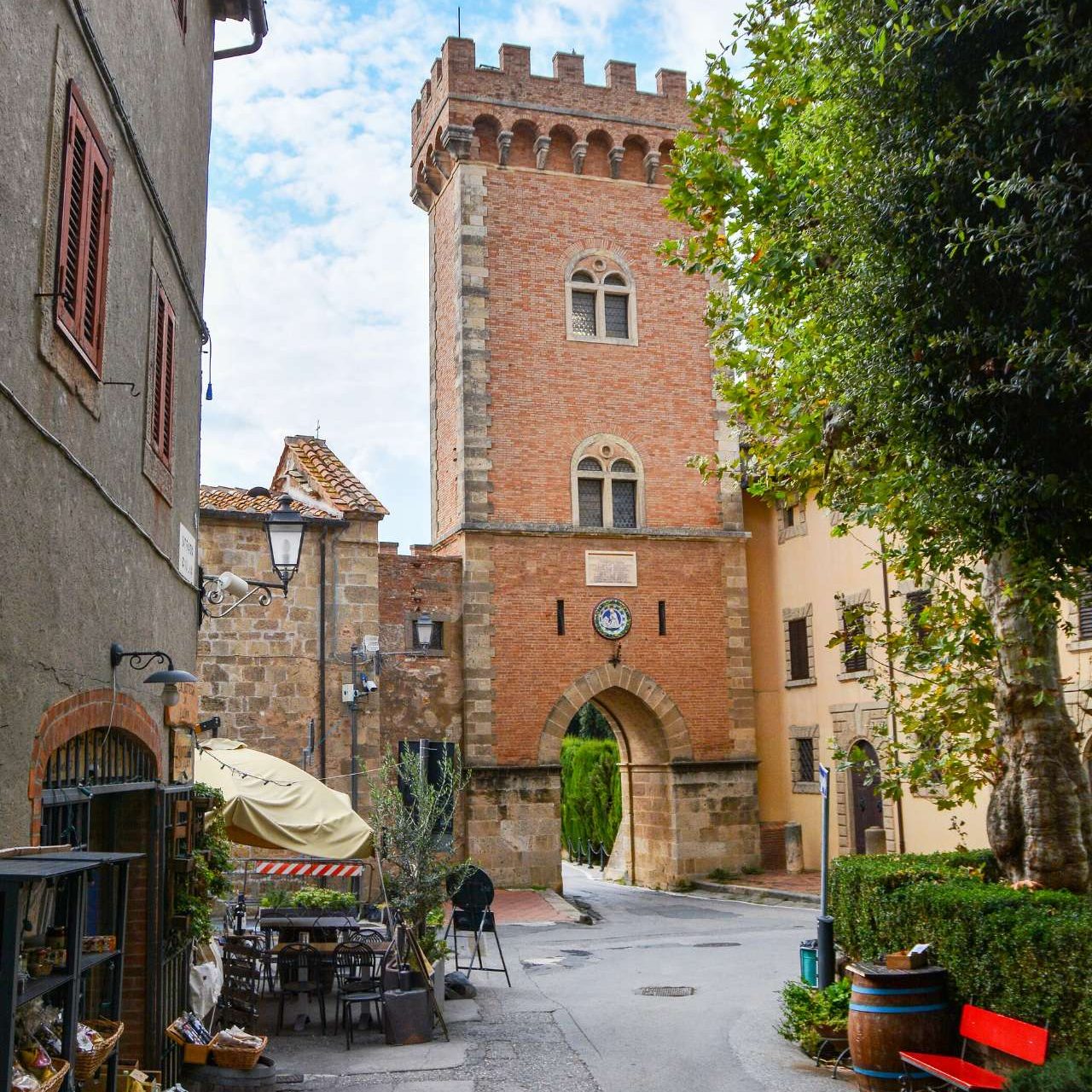
At the end of the avenue you enter the village through the gate of Bolgheri Castle, the former residence of the Counts Della Gherardesca, in red brick with a crenellated tower. The castle is private and cannot be visited inside, but its façade still tells its story: first recorded in 1158, it was burnt by the Florentines in 1393 and sacked in 1496 by the troops of Emperor Maximilian; the village was reborn in the 18th century with land reclamation.
Inside the walls the village of Bolgheri is a small web of lanes and squares, with wine bars, restaurants, craft shops and local produce. In Piazza Teresa stands the church of Santi Giacomo e Cristoforo, the oldest in the village, with its medieval gabled façade.
Giosuè Carducci’s places in Bolgheri
Giosuè Carducci lived in Bolgheri as a child, from 1838 to 1848, and set some of his most famous poems here. A walk through the village leads you to his places:
- His childhood home, in Piazza Alberto, marked by a plaque: the family lived on the top floor. It cannot be visited inside.
- The statue of Nonna Lucia, the poet’s paternal grandmother, sitting on a bench in the village: she is the “nonna Lucia” remembered in Davanti San Guido.
- The old cemetery, along Via del Poggio just outside the village, where Nonna Lucia is buried, with lines from the poem on the chapel.
- Piazza Teresa, where a plaque recalls the home of the girl who inspired the Idillio maremmano.
A few minutes away is Castagneto Carducci, the village that added the poet’s name to its own in 1907, with Casa Carducci.
Bolgheri and its wine
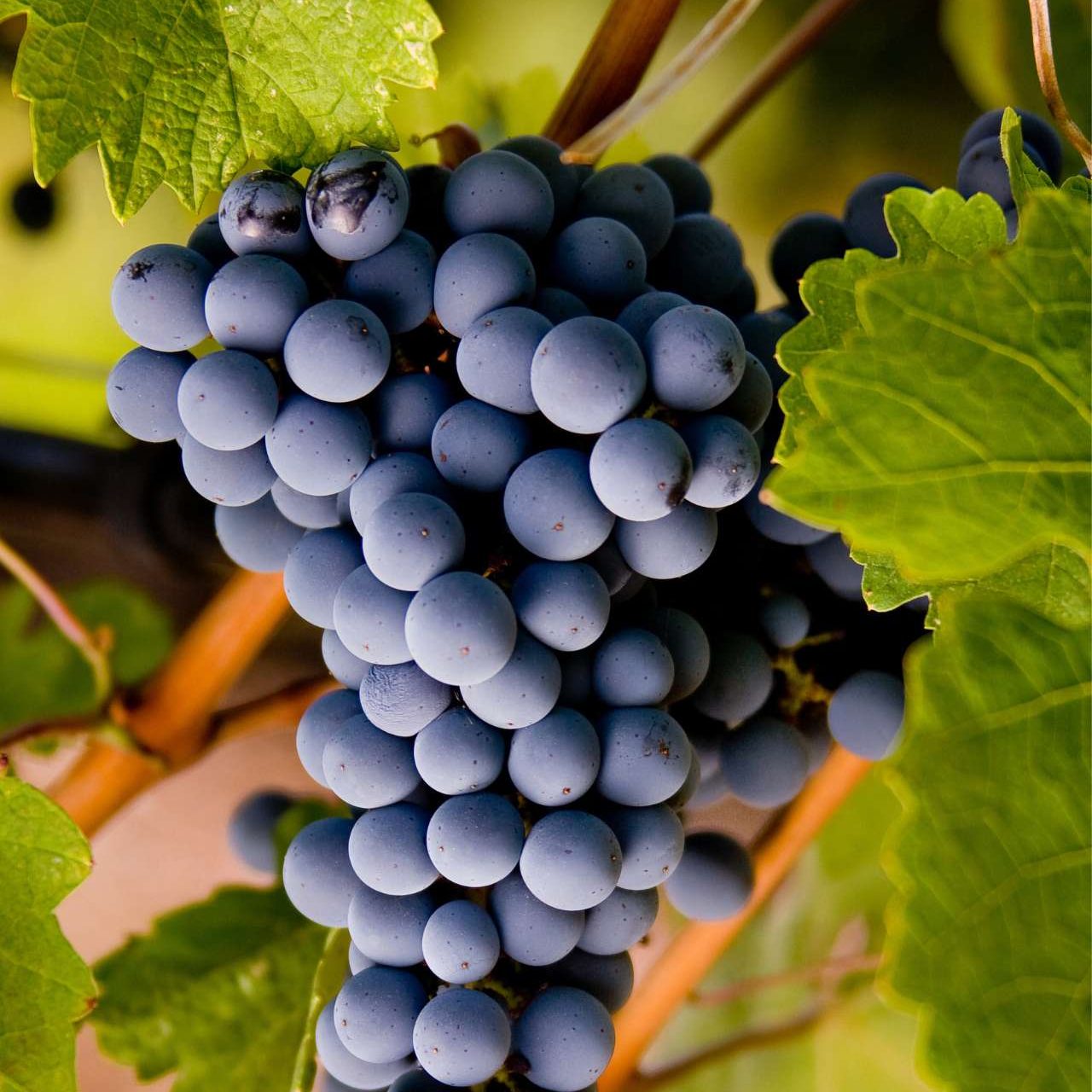
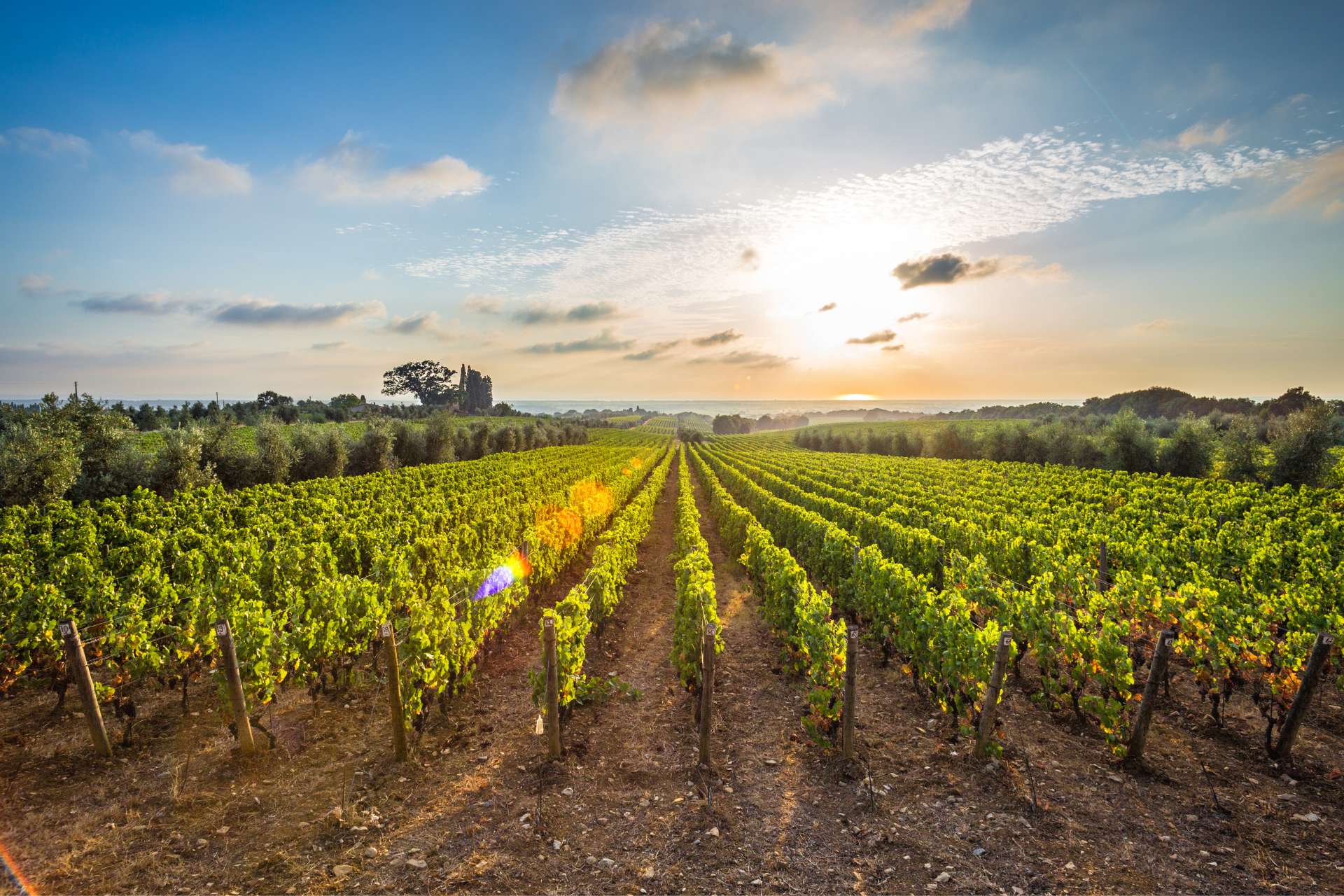
Bolgheri is now one of the most famous wine areas in the world. The Bolgheri DOC mainly covers red wines from Cabernet Sauvignon, Merlot and Cabernet Franc, grown on hills facing the sea, but also whites from Vermentino and Sauvignon, rosés and Vin Santo.
A recent and very fast story
- 1940s: Marchese Mario Incisa della Rocchetta plants the first Cabernet vines at Castiglioncello di Bolgheri.
- 1968: first vintage of Sassicaia, officially presented in 1972.
- 1983: the Bolgheri DOC is created, initially for whites and rosés only.
- 1994: Bolgheri Rosso, Rosso Superiore and the Sassicaia sub-zone are added.
- 2013: Bolgheri Sassicaia becomes a DOC in its own right, the only one in Italy linked to a single estate.
Around Sassicaia and Ornellaia a constellation of wineries, large and small, has grown up, including names such as Masseto, Guado al Tasso, Le Macchiole and Grattamacco.
Tastings and winery visits
Many estates on the Wine Route open their doors for tours and tastings, almost always by appointment. You will find more ideas in the experiences section.
The Padule di Bolgheri
Between the old Aurelia and the sea lies the Padule di Bolgheri, created in 1959 by Marchese Mario Incisa della Rocchetta: it is considered Italy’s first private nature reserve. More than 500 hectares of freshwater marsh, woods, wet meadows, pine woods and dunes, home to over 250 bird species as well as red deer, roe deer and pond turtles.
The refuge can only be visited on guided tours by appointment, organised by Tenuta San Guido in the months between autumn and spring: check dates and arrangements before you go.
Things to do in and around Bolgheri
- Taste the wines in the village wine bars or the wineries of the area.
- Cycle among the vineyards, along the roads linking Bolgheri and Castagneto Carducci.
- Climb to Castiglioncello di Bolgheri, a small fortified hamlet at about 400 metres, with views of the coast.
- Visit Castagneto Carducci, a few kilometres away, with its castle and sea views.
- Go to the beach at Marina di Bibbona or Marina di Castagneto, a quarter of an hour by car.
Events in Bolgheri
- L’Etrusca Ciclostorica: in April, a ride on vintage bicycles along the white roads between the vineyards.
- Bolgheri Jazz: in September, jazz concerts in the village and the wineries.
- Grape harvest: between September and October the hills come alive with the harvest.
When to visit Bolgheri
Bolgheri is lovely all year round. Spring and autumn are the best times: mild weather, colours on the hills and, in September and October, the grape harvest. In summer the village is very busy, especially in the evening: arrive early or at sunset and combine the visit with the beach.
How to get there and where to park
By car: from the SS1 Variante Aurelia take the Bolgheri exit and reach the old Aurelia; here, at the Oratory of San Guido, the Cypress Avenue begins. The village is visited on foot: leave the car in the car parks just outside the walls, which fill up early on summer weekends.
By train: Bolgheri has no station. The nearest is Castagneto Carducci-Donoratico, on the Tirrenica line, about a quarter of an hour away by car.

A perfect stop on your holiday
Bolgheri pairs perfectly with Castagneto Carducci and the beaches of Marina di Castagneto for a day of villages, cypresses, wine and sea. If you are staying in the Val di Cornia, it is about half an hour away and can be combined with the beaches of San Vincenzo and Rimigliano Beach, or with the other wine villages such as Suvereto and Sassetta.
Plan your stay
Plan your experience with Ama Campiglia Marittima
Through the Ama Campiglia Marittima portal you can find where to stay, where to eat and which experiences to enjoy between the sea, historic villages and nature in the Val di Cornia, half an hour from Bolgheri.
Get a quoteFrequently asked questions about Bolgheri
Where is Bolgheri?
In Tuscany, in the province of Livorno, on the Etruscan Coast. It is a village within the municipality of Castagneto Carducci.
Is Bolgheri a municipality?
No, Bolgheri is a village of Castagneto Carducci, the municipality named after the poet Giosuè Carducci.
What is there to see in Bolgheri?
The Cypress Avenue, the Oratory of San Guido, the village and its castle, the church of Santi Giacomo e Cristoforo, Carducci’s places with the statue of Nonna Lucia, the Padule di Bolgheri and the Bolgheri DOC wineries.
How long is the Cypress Avenue?
About 5 kilometres, from the Oratory of San Guido on the old Aurelia to the village, with more than two thousand cypresses.
Who was Nonna Lucia?
Giosuè Carducci’s paternal grandmother, remembered in the poem Davanti San Guido. In the village there is her statue on a bench, and her grave is in the old Bolgheri cemetery.
What is Bolgheri famous for?
For the Cypress Avenue celebrated by Carducci in Davanti San Guido and for its wines, such as Sassicaia and Ornellaia.
Can you visit the Padule di Bolgheri?
Yes, but only on guided tours by appointment, organised by Tenuta San Guido in the months between autumn and spring.
How long does it take to visit Bolgheri?
Two or three hours for the village and the avenue; half a day with a winery tasting.
Is Bolgheri close to the sea?
Yes, Marina di Bibbona and Marina di Castagneto are about a quarter of an hour away by car.
How do you get to Bolgheri by train?
Bolgheri has no station: the nearest is Castagneto Carducci-Donoratico, from where you continue by car, taxi or bus.
How far is Bolgheri from Campiglia Marittima?
About half an hour by car, via the Variante Aurelia.
Photo credits (via Wikimedia Commons): Mongolo1984: Octagonal Oratory of San Guido at the start of the Bolgheri Cypress Avenue (CC BY-SA 4.0).


