Monterotondo Marittimo: what to see between the village and the Biancane
The village of steam, in the heart of the Colline Metallifere
Monterotondo Marittimo is a small medieval village in the Colline Metallifere (Metal-bearing Hills), in upper Maremma, famous above all for a landscape you would not expect to find in Tuscany: steam rising from the ground, rocks shading from red to ochre to white, hot water bubbling to the surface. This is the land of geothermal energy, told by the Biancane Nature Park and the MUBIA geomuseum, and the birthplace of the writer Renato Fucini.
It can be reached by car from Campiglia Marittima and Venturina Terme via Suvereto, and is an ideal day trip for anyone who wants to leave the coast for a day and discover a different side of the area, with nature, mining history and village life.
Where is Monterotondo Marittimo
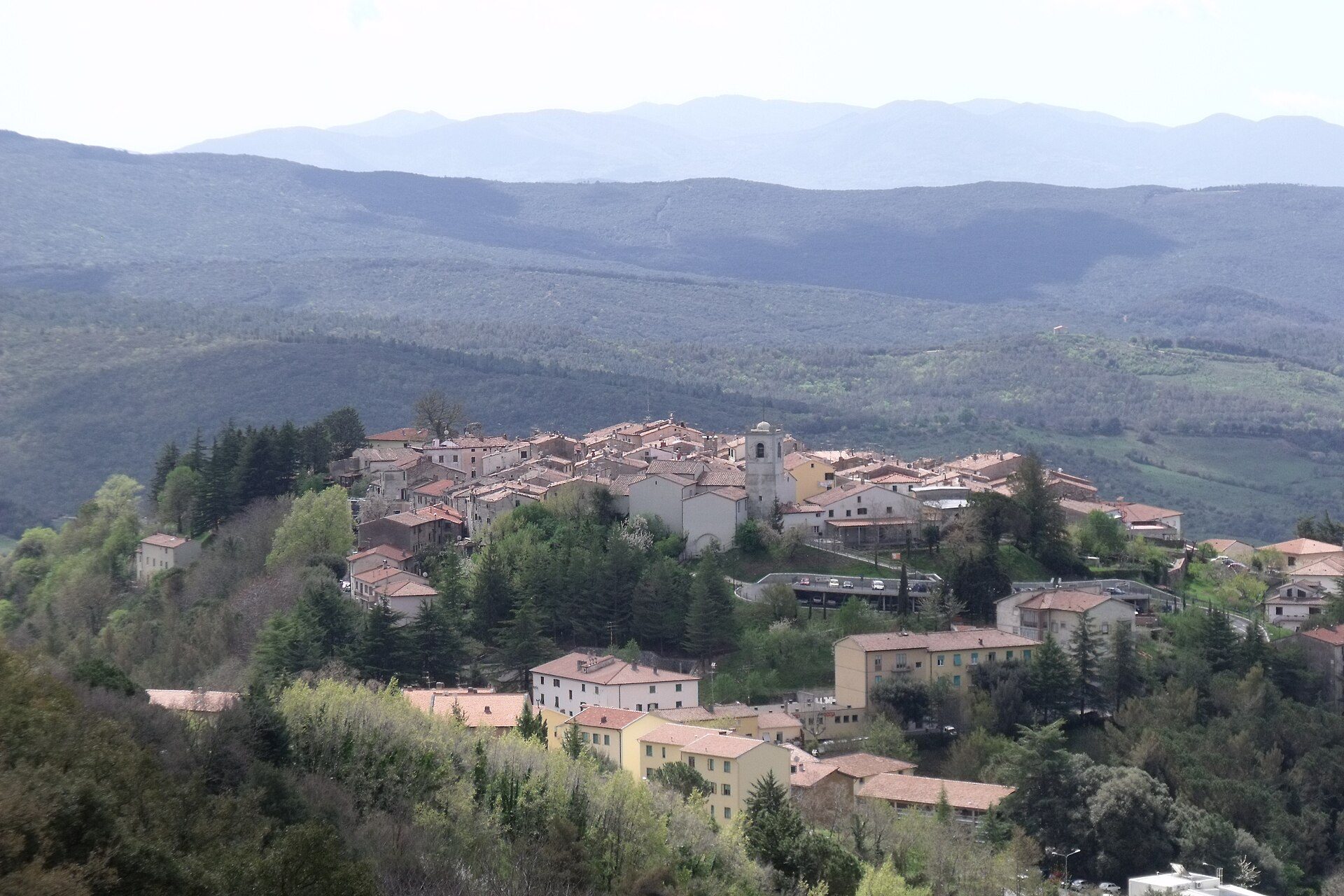
The village stands at about 540 metres above sea level, in the province of Grosseto, where the territories of three provinces meet: Grosseto, Pisa and Livorno. The municipality has about 1,300 inhabitants and includes the hamlets of Frassine and Lago Boracifero. Its name comes from the Latin Mons Rotundus, after the rounded hill on which it is built.
Although it is not part of the Val di Cornia, Monterotondo lies just behind it, on the hills separating it from the Val di Cecina, and is reached by driving inland from Suvereto.
Approximate driving times: about 35 minutes from Campiglia Marittima, 25 from Suvereto, 20 from Larderello, half an hour from Massa Marittima and 45 minutes from Follonica.
Request a quoteWhat to see in the village of Monterotondo Marittimo
The old town is easy to explore on foot in a couple of hours, among stone lanes, small squares and views over the surrounding hills.
The Rocca degli Alberti
In the upper part of the village are the remains of the 13th-century castle, the Rocca degli Alberti, linked to the family that controlled the area for a long time. Monterotondo appears in documents as early as 1128, and in 1163 Emperor Frederick Barbarossa confirmed the Alberti’s privileges over the castle.
The Church of San Lorenzo
In the heart of the village stands the Church of San Lorenzo, dedicated to the patron saint, celebrated on 10 August.
Piazza Casalini and the Town Hall
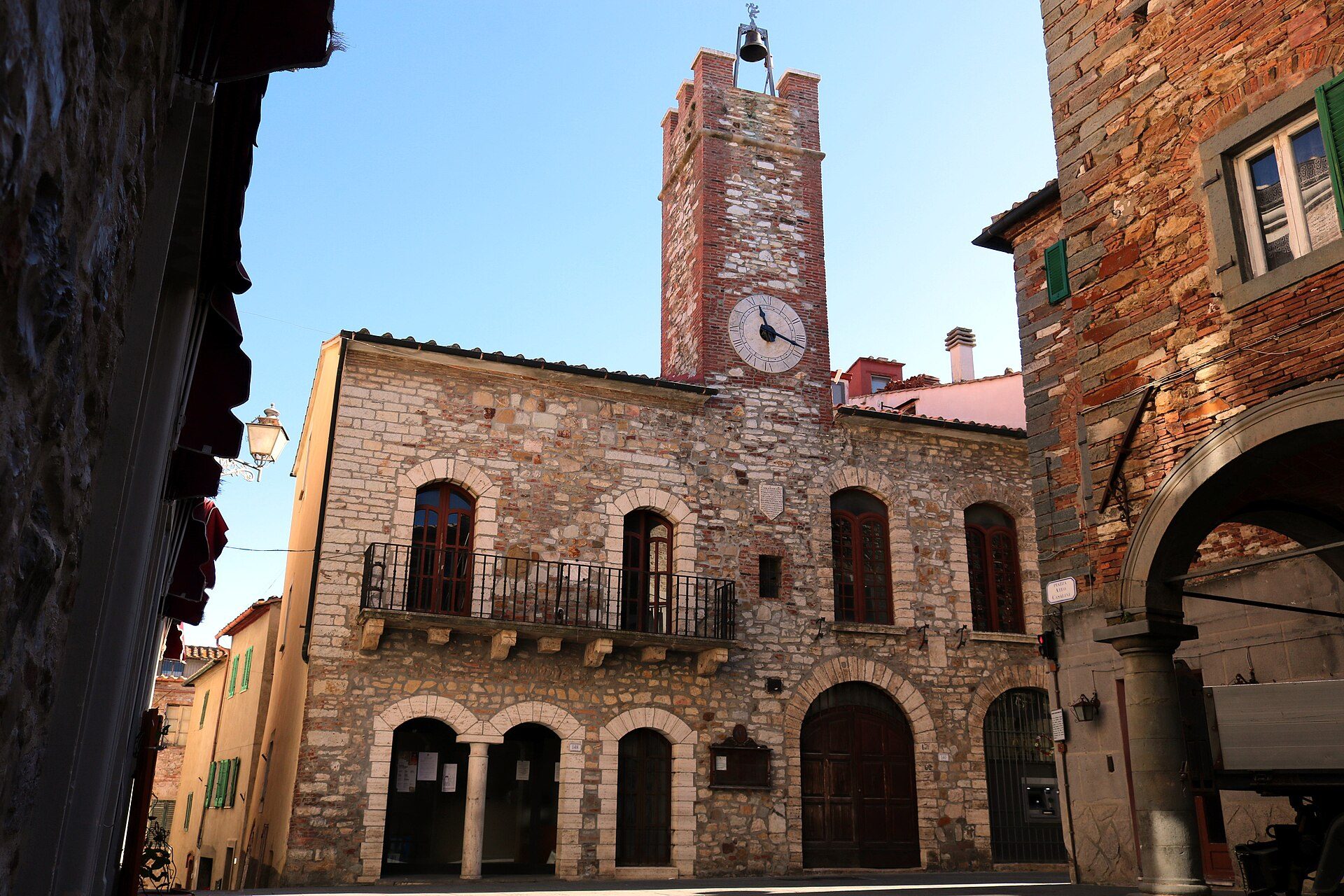
On the main square, Piazza Ateo Casalini, stands the Town Hall with its clock tower, dating from 1613.
The Church of Santa Croce
Just outside the centre is the small Church of Santa Croce, of Romanesque origin.
Renato Fucini’s Rooms
The old town is home to Renato Fucini’s Rooms, a narrative museum devoted to the writer born right here in Monterotondo, which takes visitors into the atmosphere of his stories.
A little history
In the Middle Ages Monterotondo belonged to the Abbey of Monteverdi and later passed to the Counts Alberti. In the 13th century it came under Massa Marittima and in 1359, when Massa fell, under the Republic of Siena; in the mid-16th century it became part of the Grand Duchy of Tuscany. Until the early 20th century it remained administratively tied to Massa Marittima.
The village’s wealth has always come from underground: first metals and alum, then borax and finally geothermal energy.
Beyond the village: the Frassine Sanctuary and the Monteleo alum works
- The Sanctuary of the Madonna del Frassine, in the hamlet of the same name, is one of the most important sanctuaries in the Maremma: it holds a 14th-century wooden statue of the Virgin and Child of the Pisan school, 17th-century Sienese paintings and ex-votos.
- The Allumiere di Monteleo are the remains of an alum production plant active between the 15th and 18th centuries: it is the only Renaissance alum works excavated in Europe, studied by the University of Siena.
- Cugnano Castle, with the ruins of a settlement that controlled the copper and silver mines in the Middle Ages.
The Biancane Nature Park
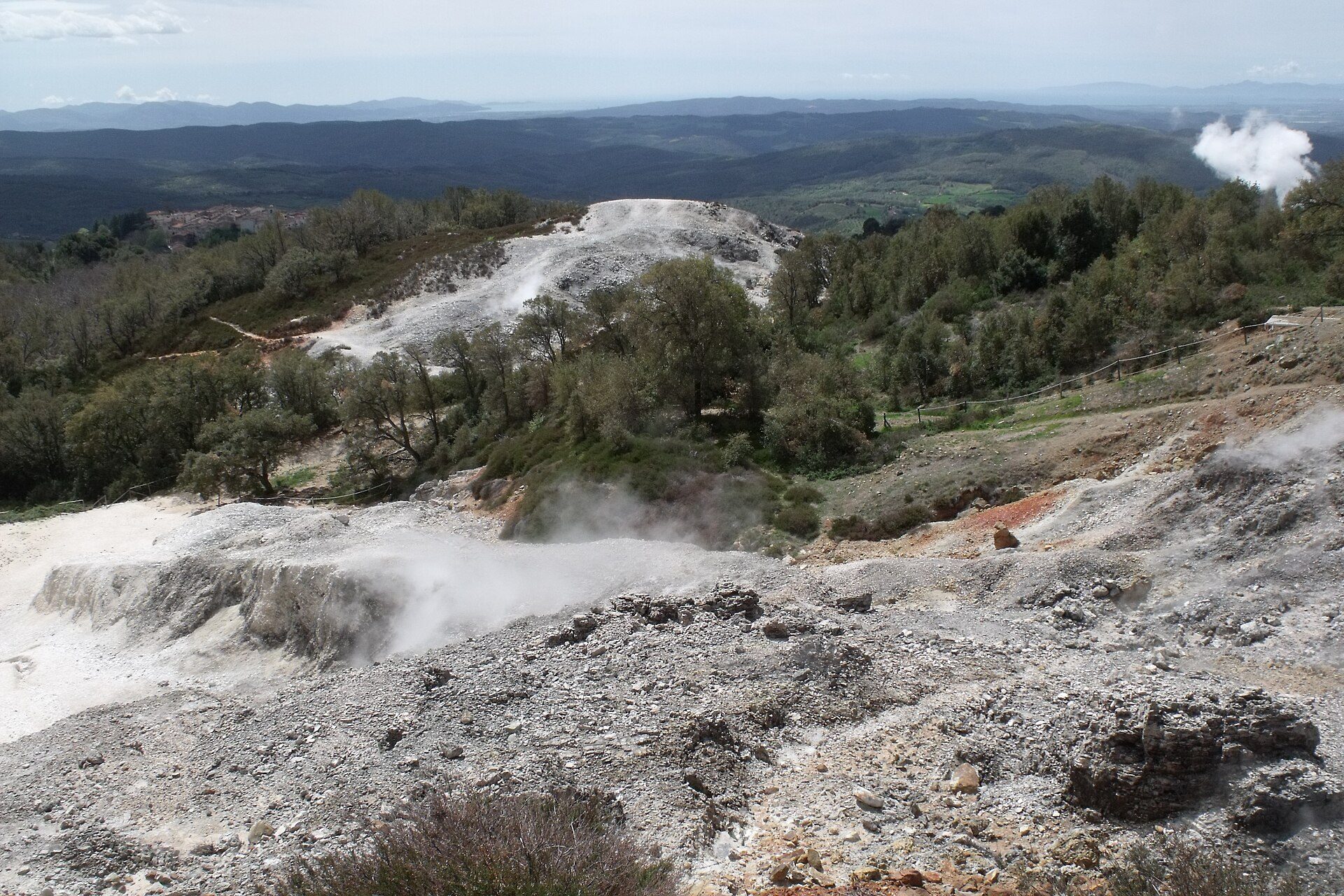
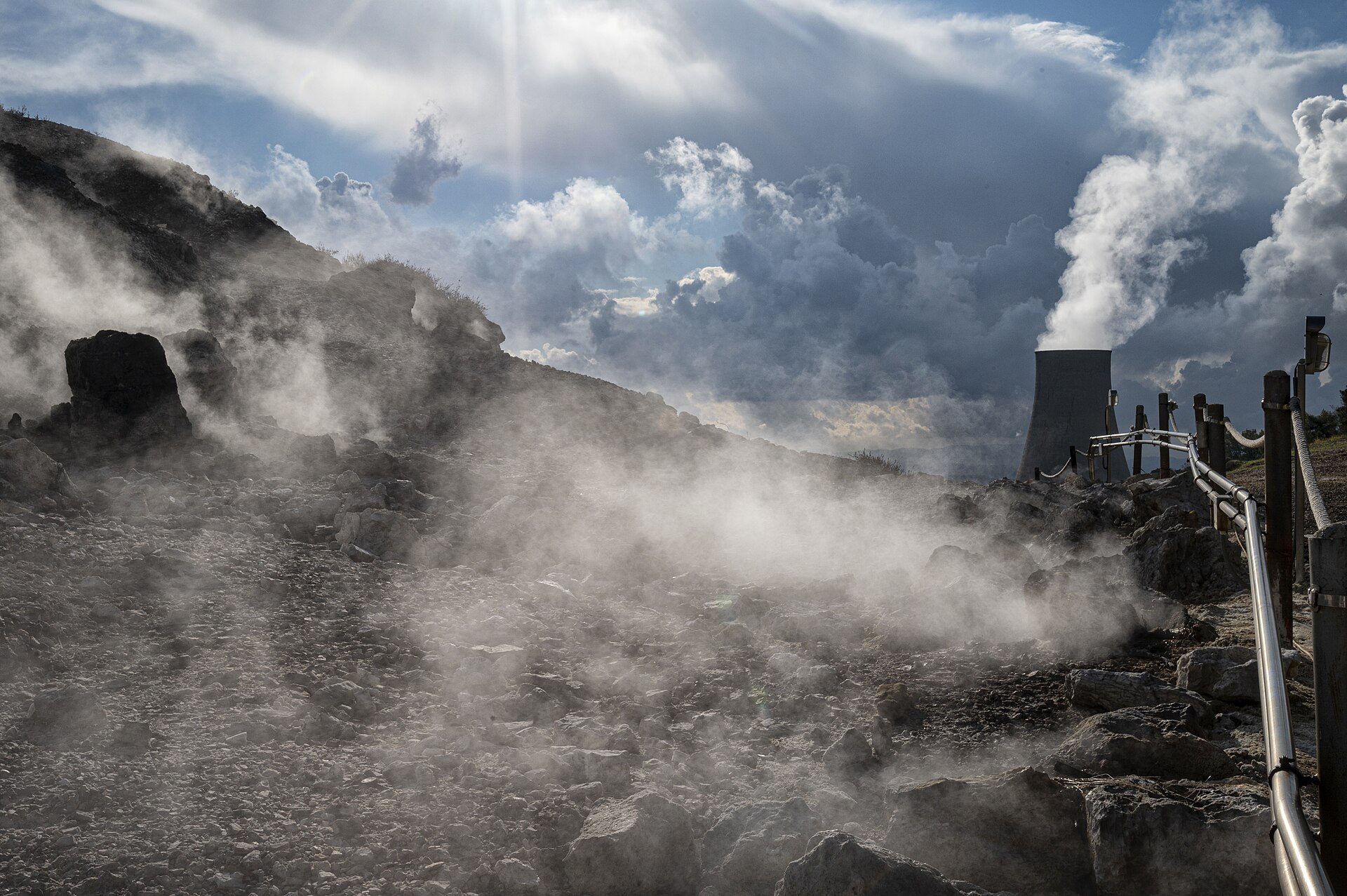
Just outside the village lies the Biancane Nature Park, the reason many people choose to visit Monterotondo. Along the trail you come across steam vents, fumaroles, mud pools and columns of steam escaping from cracks in the rock at around 100°C. The white that gives the park its name comes from hydrogen sulphide, which turns limestone into gypsum, while yellow sulphur crystallises around the vents.
- The trail: a loop of about 3 km, walked in about an hour, with little climbing.
- Lagone Cerchiaio: the starting point, where in 1777 Uberto Francesco Hoefer discovered boric acid in the geothermal waters. The name recalls the old use of boiling water to bend the chestnut branches used to make barrel hoops.
- Entrance: the park is part of the Colline Metallifere Park, a UNESCO Global Geopark, and is always open, free of charge.

MUBIA, the Biancane Geo Museum
To really understand what is happening beneath your feet, complete the visit at the MUBIA – Biancane Geo Museum, housed in a former geothermal power station at Lagoni. The museum explains geothermal phenomena with interactive and multimedia displays and the GeoNave, which simulates a journey seven kilometres underground.
At the museum you can also hire augmented-sound audio guides to walk the park with a narrator, available in several languages. A full ticket costs around €7 and young children go free.
Practical tip: opening hours change with the seasons (in winter the museum opens mainly at weekends): always check before you go.
Geothermal energy, power from the earth
Industrial geothermal power production began in Monterotondo as early as 1916, together with the workers’ village of Lago Boracifero. Today several geothermal power stations operate around the village, and the town is heated by geothermal district heating: the heat of the earth goes straight into people’s homes.
Things to do around Monterotondo Marittimo
Lago Boracifero
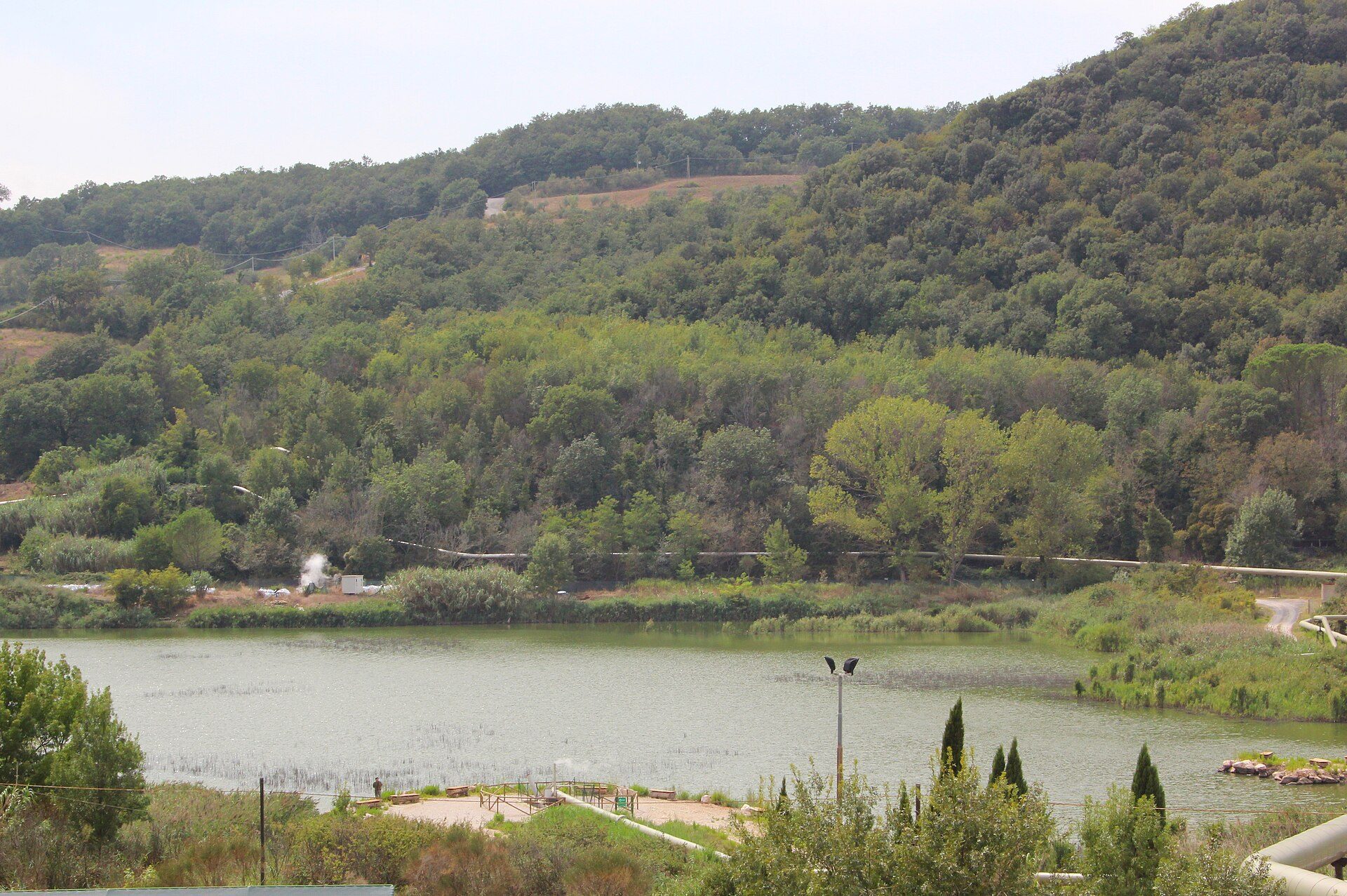
A short distance from the village is the hamlet of Lago Boracifero, overlooking the lake of the same name, where bubbling water and steam vents recall the long history of borax and boric acid production that began here in the first half of the 19th century. Its shores, among reeds and muddy water, look almost lunar.
Trekking among the steam
Walkers can choose routes linking the geothermal areas, such as the loop of about 9 km and three hours joining Monterotondo to the village of Sasso Pisano.
Local flavours
In autumn the chestnut woods offer chestnuts and mushrooms; the countryside produces cheese, olive oil and wine along the Monteregio Wine Route. A stop at the Podere Paterno dairy is the best way to take home a taste of the area.
Events in Monterotondo Marittimo
- Sagra del Tortello: in June, a festival with more than fifty editions behind it, with tortelli, grilled meat and porchetta.
- Monterotondo Marittimo si racconta: in summer, on Thursday evenings, free guided tours of the village, Fucini’s Rooms and the Rocca degli Alberti.
- Feast of San Lorenzo: on 10 August, the patron saint’s feast.
- Chestnut Festival: in October, with roast chestnuts, a market, street food and live music.
Dates and programmes change every year: check them before you go.
How long does it take to visit
- Village: 1.5-2 hours.
- Village, Biancane and MUBIA: half a day.
- Village and surroundings, with Lago Boracifero or the trek to Sasso Pisano: a full day.
The best time to visit Monterotondo Marittimo
Spring and autumn are the most pleasant seasons for walking in the park. On cool days the steam columns are also more visible and the landscape even more striking. In summer visit the Biancane early in the morning or late in the afternoon, as there is little shade along the trail.
Recommended period: March to June and September to November.
Practical information
- Type of visit: historic village and geothermal nature area.
- Biancane Park: always open, free entry.
- Clothing: comfortable closed shoes, water and a hat in the hot months.
- Caution: in the park it is important to stay on the marked paths, as water and steam reach very high temperatures. You may notice the smell of sulphur typical of geothermal areas.
- Ideal for: families, walkers, lovers of nature, geology and photography.
A perfect stop on your holiday
Monterotondo Marittimo is an ideal excursion if you are staying in the Val di Cornia and want to alternate the sea with a day inland. On the way you pass through Suvereto and the woods of Montioni Park, while the theme of mines and the earth’s resources can be explored further at the San Silvestro Archaeological Mining Park. On the same road is Sassetta, a village among chestnut and holm oak woods.
On the way back, after a day of walking, there is nothing better than relaxing at the Venturina thermal baths.
Plan your stay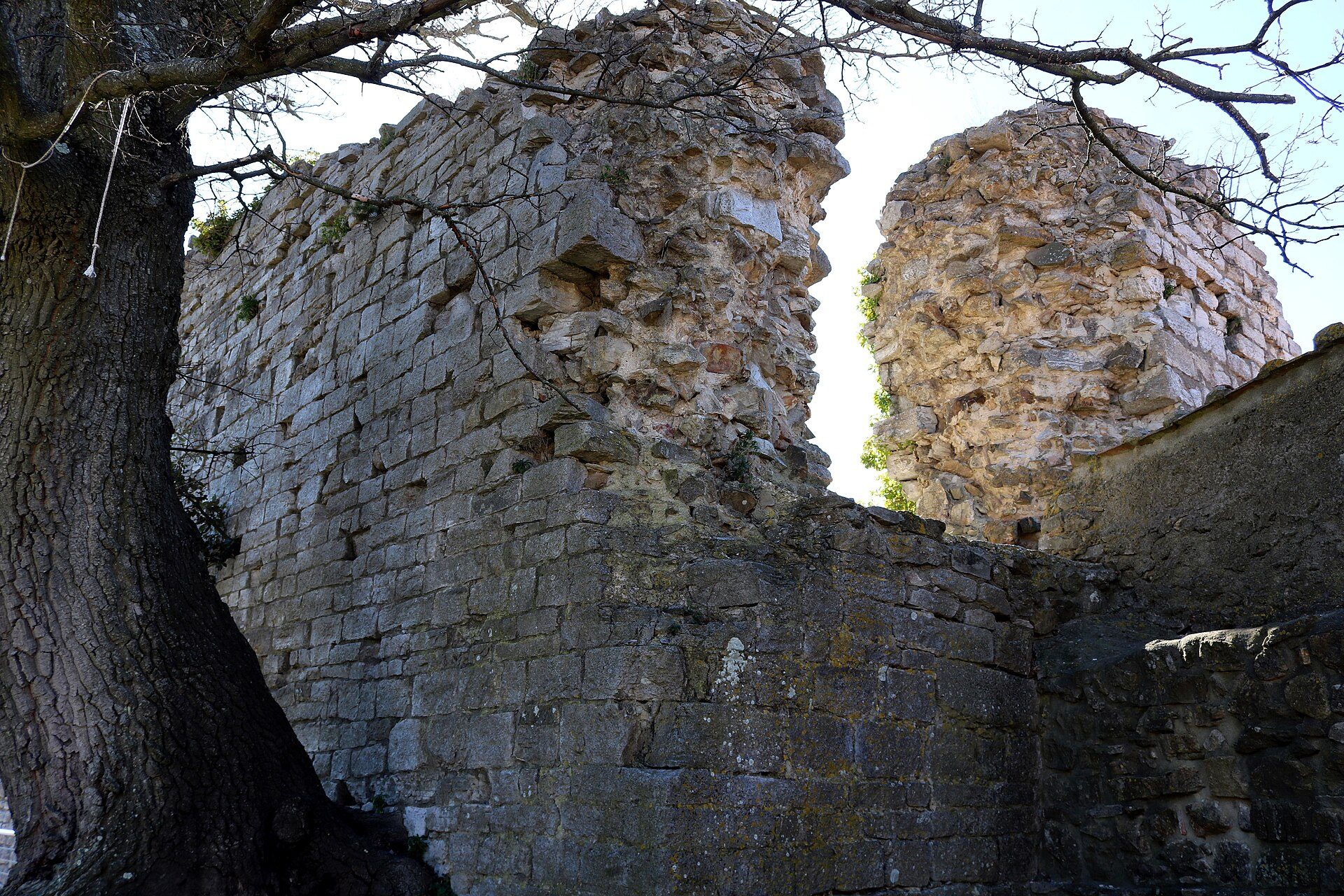
Plan your experience with Ama Campiglia Marittima
Through the Ama Campiglia Marittima portal you can find where to stay, where to eat and which experiences to enjoy between the sea, historic villages and nature in the Val di Cornia, to include Monterotondo Marittimo in a tailor-made stay.
Get a quoteFrequently asked questions about Monterotondo Marittimo
Where is Monterotondo Marittimo?
In the province of Grosseto, in the Colline Metallifere of upper Maremma, on the border with the provinces of Pisa and Livorno, at about 540 metres above sea level.
How far is it from Campiglia Marittima?
About 35-40 minutes by car from Campiglia Marittima and Venturina Terme, via Suvereto.
What is there to see in Monterotondo Marittimo?
The Rocca degli Alberti, the Church of San Lorenzo, the Town Hall with its clock tower, Renato Fucini’s Rooms, the Biancane Park, the MUBIA and, nearby, Lago Boracifero and the Sanctuary of the Madonna del Frassine.
What are the Biancane?
A natural area with geothermal phenomena such as steam vents, fumaroles and mud pools, which turn the ground pale and almost lunar. The Biancane Nature Park is a short walk from the village centre.
How long is the Biancane trail?
The main loop is about 3 km and takes about an hour.
Is there a charge for the Biancane Park?
No, the park is always open and free. There is a charge for the MUBIA, the geomuseum explaining the area’s geothermal phenomena.
Is Monterotondo Marittimo suitable for children?
Yes, the Biancane trail and the interactive museum are very popular with children too. Always stay on the marked paths.
How long does it take to visit Monterotondo?
The village takes a couple of hours; with the Biancane and the MUBIA allow at least half a day.
What are the main events?
The Sagra del Tortello in June, the “Monterotondo Marittimo si racconta” evening tours in summer, the feast of San Lorenzo on 10 August and the Chestnut Festival in October.
When is the best time to go?
Spring and autumn, when temperatures are ideal for walking and the steam is more visible.
Photo credits (via Wikimedia Commons): Roberto Baroni: Monterotondo Marittimo seen from the Biancane (CC BY-SA 4.0); Mongolo1984: Town Hall with the clock tower in Monterotondo Marittimo (CC BY-SA 4.0), Ruins of the Rocca degli Alberti in Monterotondo Marittimo (CC BY-SA 4.0); LigaDue: Biancane Nature Park in Monterotondo Marittimo (CC BY 3.0), Lago Boracifero, Monterotondo Marittimo (CC BY-SA 4.0), View of Monterotondo Marittimo (CC BY 3.0); Costaetrusca: Geothermal steam in the Biancane Park (CC BY-SA 4.0).