

Pieve di San Giovanni in Campiglia Marittima: history and what to see
The Pieve di San Giovanni (the Parish Church of St John) is one of the most important medieval monuments in Campiglia Marittima and one of the finest examples of Romanesque architecture in the Val di Cornia. Built in the 12th century just outside the village’s old walls, it preserves outstanding architectural features, a famous medieval palindrome carved into the stone and important archaeological evidence uncovered during restoration work.
Just a few minutes’ walk from the historic centre, the church fits easily into an itinerary exploring the history and culture of Campiglia Marittima.
Where is the Pieve di San Giovanni?
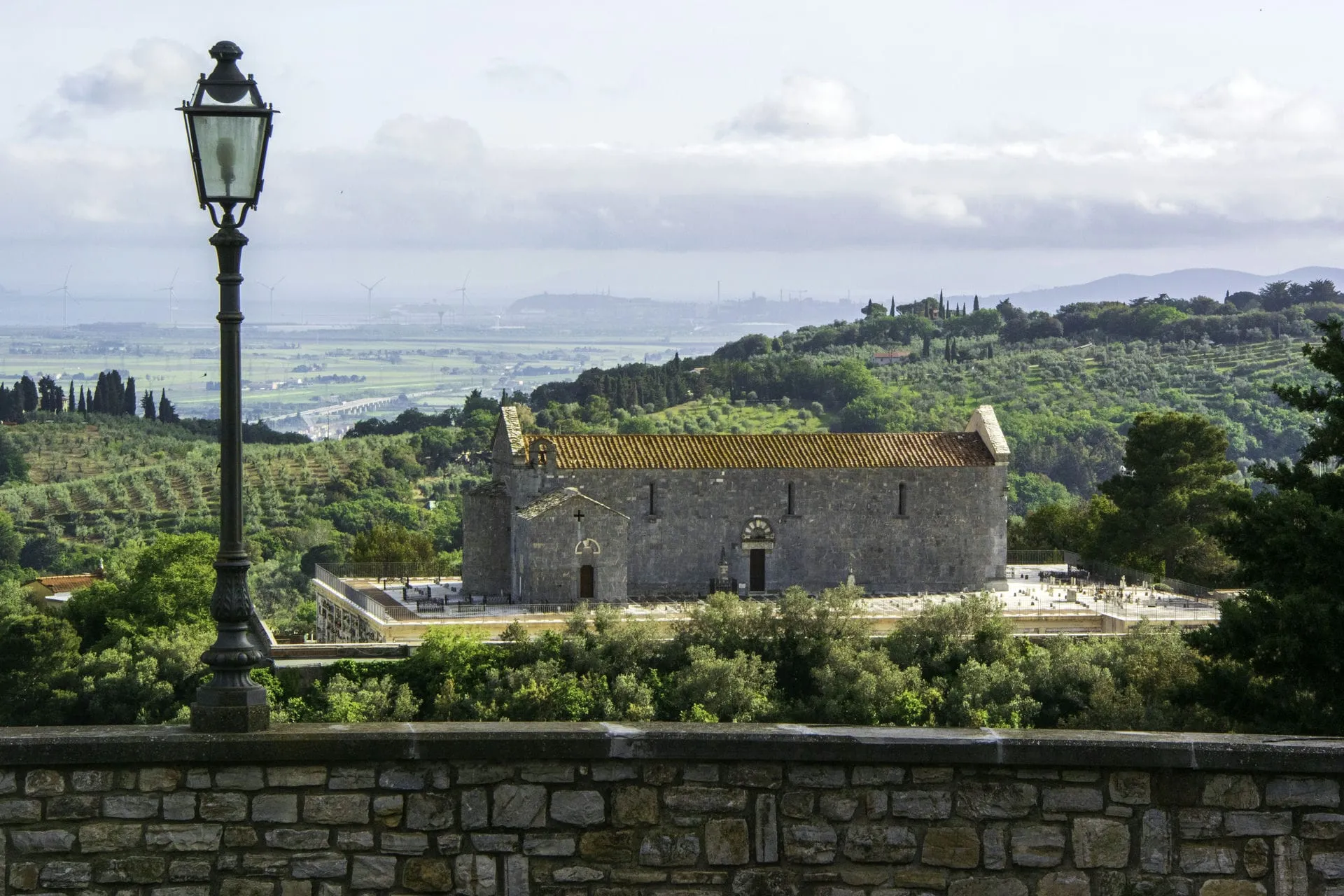
The Pieve di San Giovanni is in the municipality of Campiglia Marittima, in the province of Livorno, on the hill that is home to the monumental cemetery, just outside the medieval walls.
From the historic centre of Campiglia Marittima it is just a few minutes’ walk along a gently rising road. If you are visiting the Val di Cornia, it is an easy stop to combine with Campiglia Marittima itself, the Rocca di Campiglia Marittima (the village’s medieval fortress), the San Silvestro Archaeological Mining Park and Venturina Terme.
Request a quote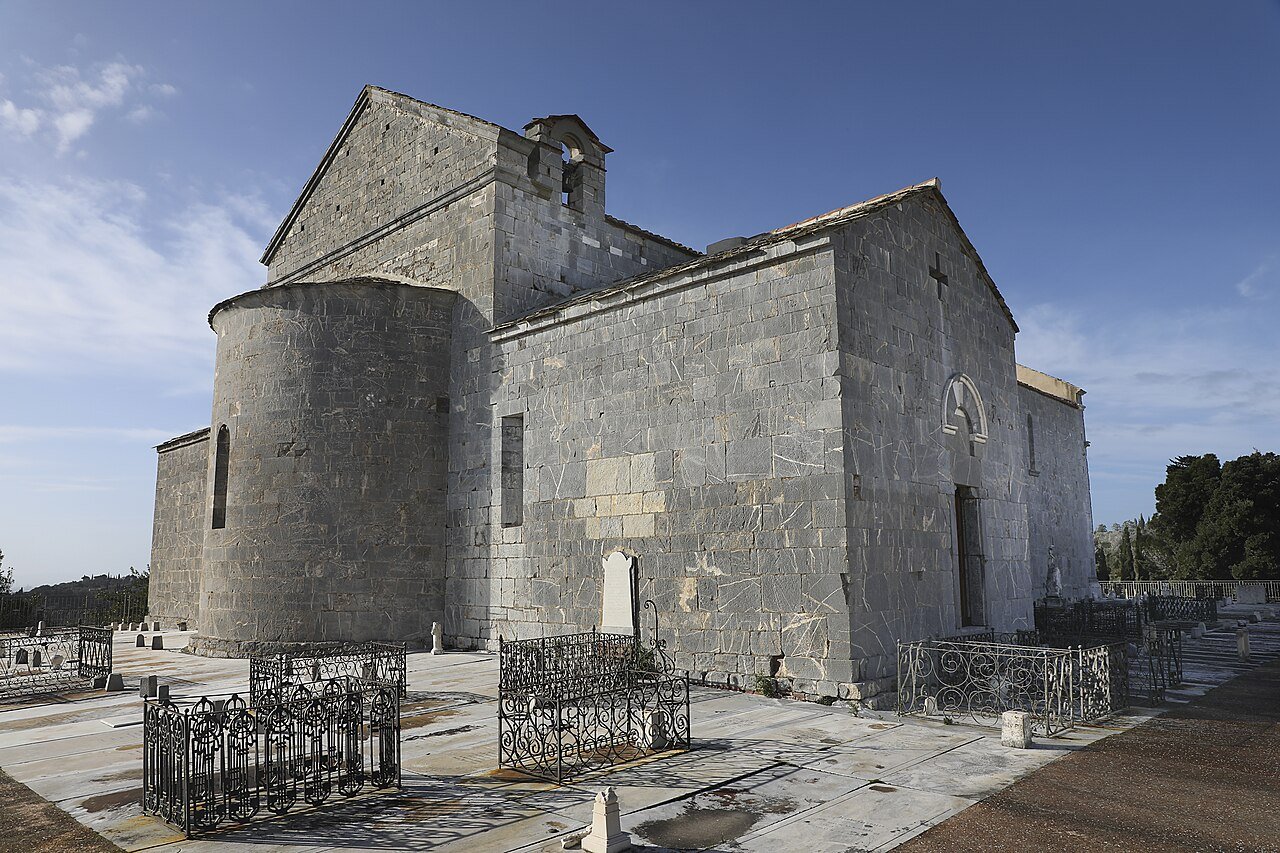
History of the Pieve di San Giovanni
The church was built in the second half of the 12th century, probably around 1173, at a time when the medieval village was growing. Its construction is linked to Master Matteo, who is traditionally also credited with some of the carved decorations that distinguish the building.
According to historical research, the pieve may have replaced an earlier religious building. Archaeological excavations carried out during the restoration completed in 2011 brought to light older burials and structures, confirming that the site was in use as a place of worship before the present church was built.
Today the building is one of the most important examples of Romanesque architecture on the Tuscan coast.
Why the Pieve di San Giovanni matters
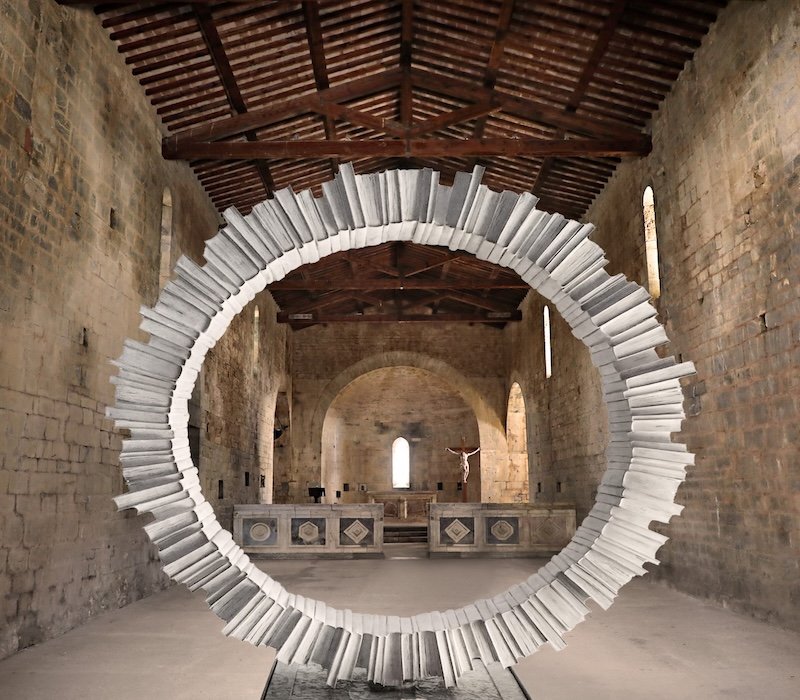
The Pieve di San Giovanni is not just a medieval church: it is one of the leading historic monuments of the Val di Cornia.
Its importance comes from several features:
- its well-preserved Romanesque layout;
- the carved decorations associated with Master Matteo;
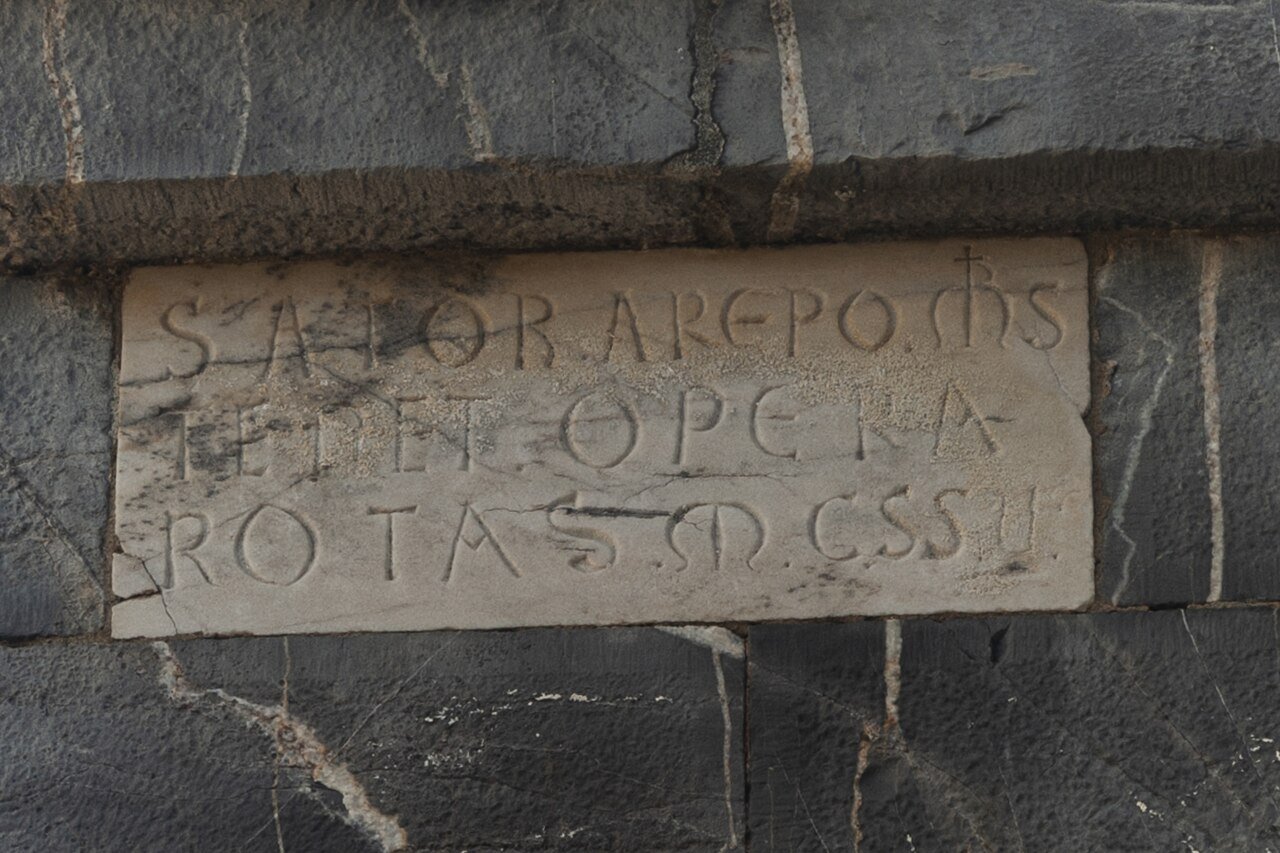
- the famous medieval palindrome “Sator Arepo Tenet Opera Rotas”;
- the archaeological evidence documenting much earlier use of the site;
- its location, closely tied to the medieval history of Campiglia Marittima.
For anyone interested in medieval art and religious architecture, the pieve is one of the most rewarding visits in the area.
What to see at the Pieve di San Giovanni
The visit doesn’t take long, but there are plenty of historical, artistic and archaeological details to look out for.
The Romanesque façade
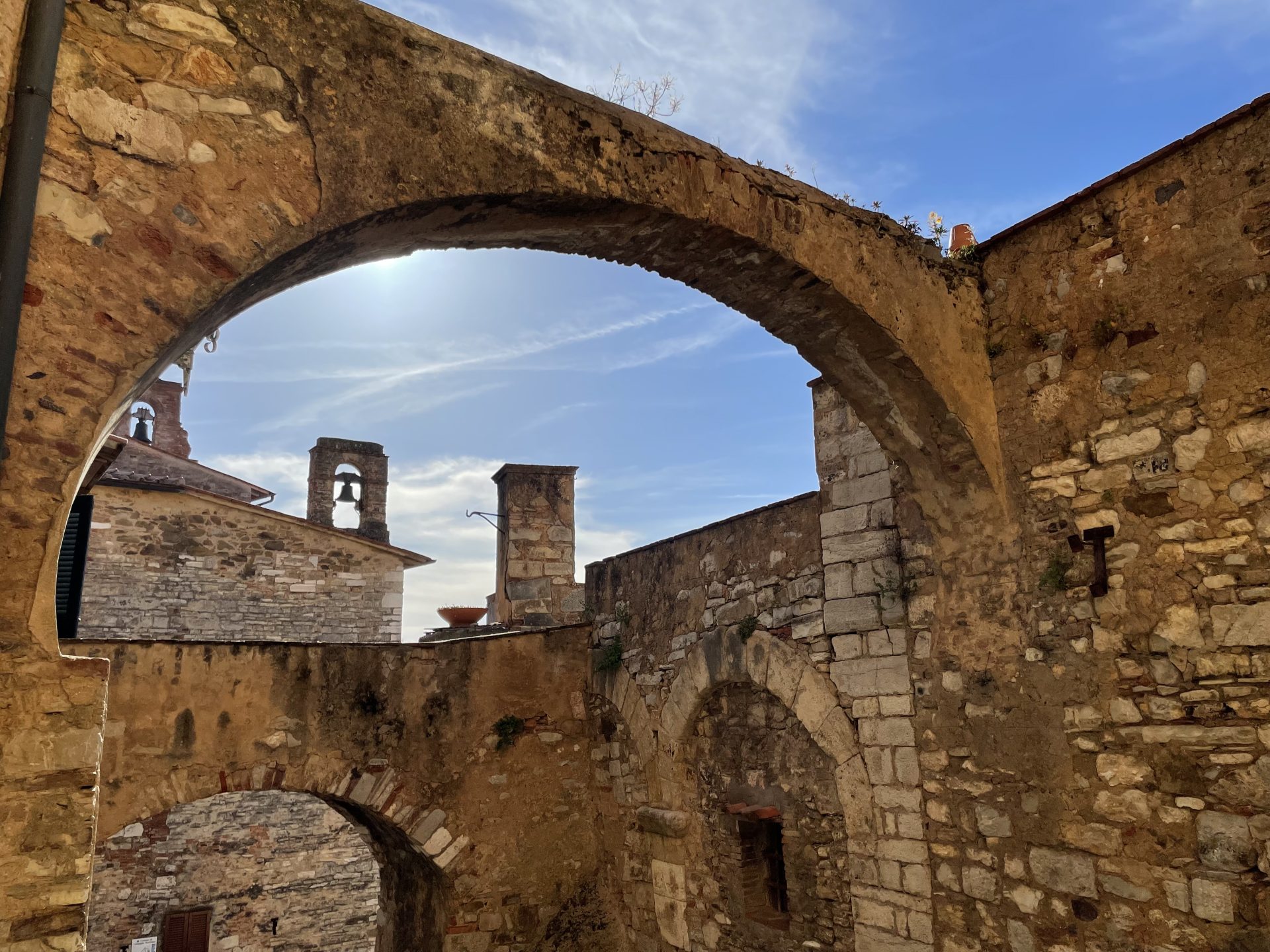
The exterior of the church is built from regular blocks of local limestone. Its simple lines, solid masonry and balanced proportions recall the typical features of Pisan Romanesque architecture.
The carved portals
Among the most interesting features are the portals, decorated with two-tone arches and carved motifs. Particularly famous is the lintel of the side portal, which depicts a wild boar hunt attributed to Master Matteo.
The decoration combines human figures, animals and symbolic elements, offering a fine example of local medieval sculpture.
The palindrome “Sator Arepo Tenet Opera Rotas”
Carved into the outer wall of the pieve is a version of the famous Sator square:
SATOR AREPO TENET OPERA ROTAS
The phrase can be read in several directions without changing the sequence of words. Its exact meaning is still debated, and over the centuries it has been interpreted as a religious symbol, a protective charm or an inscription linked to medieval Christian culture.
The apse and transept
The semicircular apse and the transept retain the key features of the original layout. Looking at the structure, you can understand how the church was organised and the relationship between the nave, the presbytery and the spaces used for religious services.
The archaeological evidence
Excavations carried out during the restoration work documented burials and traces of structures predating the present church.
These finds suggest that the hill was probably used as a religious and burial site even before the 12th century, adding another layer of interest to your visit.
Is the Pieve di San Giovanni worth visiting?
It is especially recommended if you are exploring Campiglia Marittima and want to learn more about the village’s medieval origins.
Although it is a fairly small building, the pieve preserves architectural and symbolic features of considerable interest. Being so close to the historic centre, it also slots easily into an itinerary of just a few hours, with no long journeys required.
It is a particularly good stop for lovers of history, Romanesque architecture, archaeology and photography.
How to get to the Pieve di San Giovanni
The Pieve di San Giovanni is easy to reach from the historic centre of Campiglia Marittima.
- By car: follow the signs for Campiglia Marittima, the historic centre and the municipal cemetery.
- On foot: from the medieval village it is just a few minutes’ walk along a gently rising road.
- From Venturina Terme: the drive takes roughly ten minutes.
Before setting off, check your route on an up-to-date map, especially during events, markets or temporary traffic changes in the historic centre.
Practical information for your visit
- Typical visit length: 20 to 40 minutes.
- When to go: all year round.
- Most pleasant seasons: spring and autumn, especially if your visit includes the village.
- Parking: parking areas are generally available near the historic centre and the cemetery.
- Access: the pieve is reached via a short walk.
Access to the interior may vary during the year, depending on religious services, cultural events or organised tours. Before heading to the church, it is advisable to check up-to-date opening times through the official channels of the Comune di Campiglia Marittima or the local tourist office.
What to see nearby
The Pieve di San Giovanni can be part of an itinerary taking in the main monuments of Campiglia Marittima.
On the same day you can visit:
- the Rocca di Campiglia Marittima;
- Palazzo Pretorio (the old magistrates’ palace);
- the Chiesa di San Lorenzo (Church of St Lawrence) and the Museo d’Arte Sacra (Museum of Sacred Art);
- the streets and squares of the historic centre of Campiglia Marittima;
- the San Silvestro Archaeological Mining Park;
- Venturina Terme.
If you have more time, carry on to the towns of the Etruscan Coast, with the beaches and other villages of the Val di Cornia.
Suggested itinerary in Campiglia Marittima
A half-day itinerary could start at the Pieve di San Giovanni and continue into the historic centre. From there you can walk to Palazzo Pretorio, the Chiesa di San Lorenzo and the Rocca, leaving time for a stroll through the medieval lanes.
For a full day out, round off the route with the San Silvestro Archaeological Mining Park or a stop at Venturina Terme.
Plan your stayFrequently asked questions about the Pieve di San Giovanni
Is the Pieve di San Giovanni in the historic centre?
No. The church stands just outside the medieval walls of Campiglia Marittima, on the hill of the monumental cemetery, a short distance from the historic centre.
How long does a visit take?
A visit usually takes between 20 and 40 minutes, depending on your interest in the historical, architectural and archaeological details.
What is the pieve’s most distinctive feature?
Its best-known features include the carved portal with the wild boar hunt scene and the medieval palindrome inscription “Sator Arepo Tenet Opera Rotas”.
Can I visit it together with the village?
Yes. The Pieve di San Giovanni is easy to reach from the historic centre and can be included in an itinerary of Campiglia Marittima’s main monuments.
Is the church always open?
Not necessarily. Opening times and access arrangements may change during the year. It is advisable to check them before your visit through the local official channels.
Is it a good visit if I’m short on time?
Yes. Thanks to its proximity to the historic centre and the short length of the visit, the pieve fits well into an itinerary of just a few hours.
Photo credits (via Wikimedia Commons): Stefano Benucci: Pieve di San Giovanni seen from the rear (CC BY-SA 4.0); Venturelli Fabrizio: Exterior detail of the Pieve (CC BY-SA 4.0).
Get a quote


